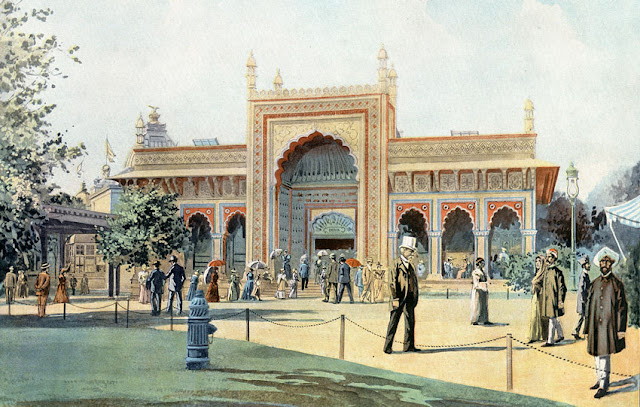
Asian Voices at the World Parliament of Religions
Introduction
“Sisters and Brothers of America…!”
“It fills my heart with joy unspeakable to rise in response to the warm and cordial welcome which you have given us. I thank you in the name of the most ancient order of monks in the world; I thank you in the name of the mother of religions; I thank you in the name of millions and millions of Hindu people of all classes and sects.”

Cathy Yeh interview with David Eckel, author of exhibition on the World Parliament of Religions 1893
Videography by Cassidy Chen and Robert Murowchick
Post-production and editing by Cassidy Chen
These stirring words were spoken on the first afternoon of an extraordinary religious gathering, the World’s Parliament of Religions at the Columbian Exposition in Chicago, 1893. According to newspaper accounts of the event, these words brought the audience to their feet and provoked a rousing, ten-minute ovation. The speaker was a handsome, charismatic Indian monk named Swami Vivekananda, who personified a dramatic new movement in the history of Asian religion in America.
Swami Vivekananda was one of several bold and confident religious leaders from Asia who seized the opportunity of the World’s Parliament to give voice to their own religious traditions. In the process they changed American perceptions of Asia and gave new prominence and legitimacy to their own traditions in the countries from which they came.
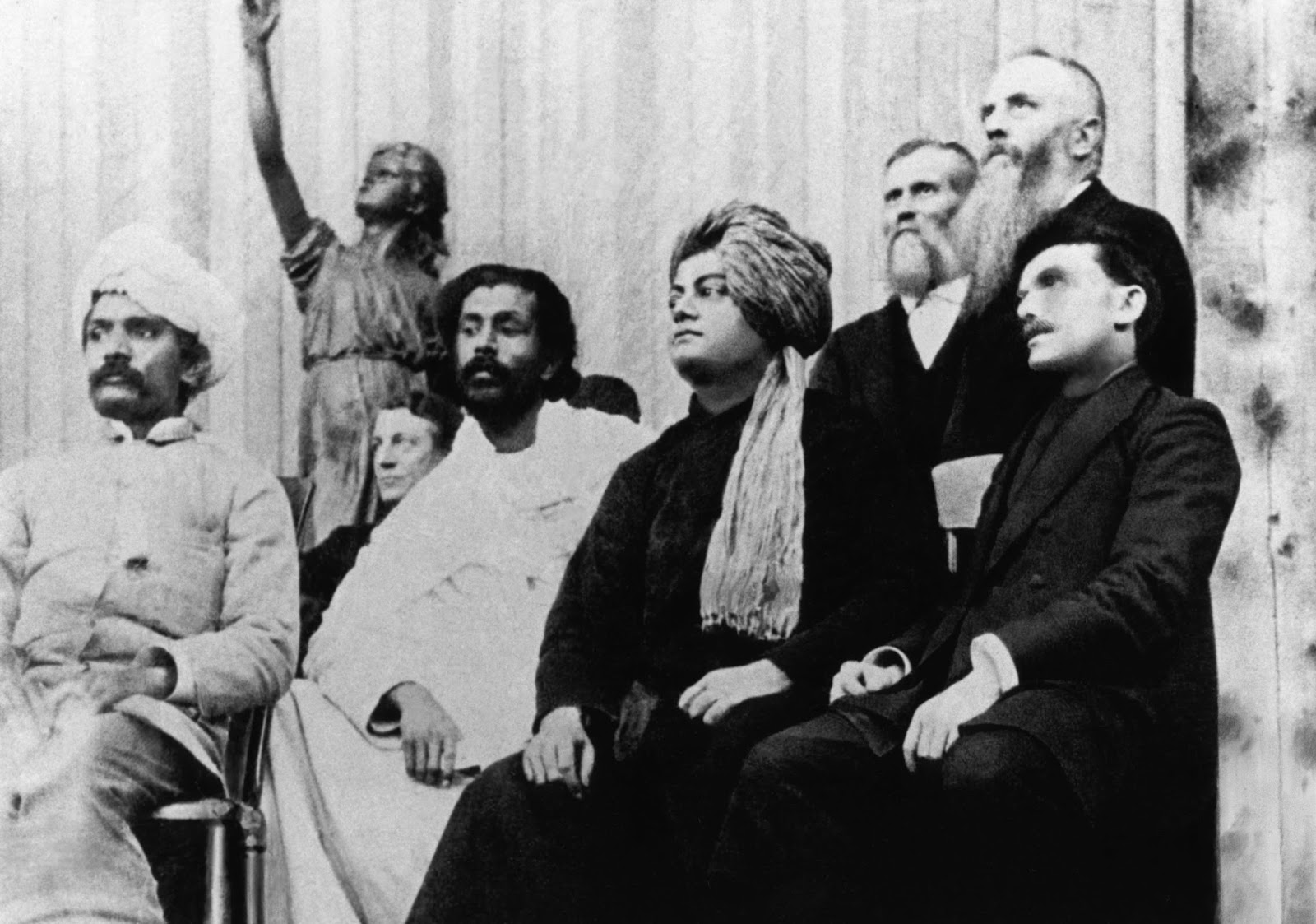
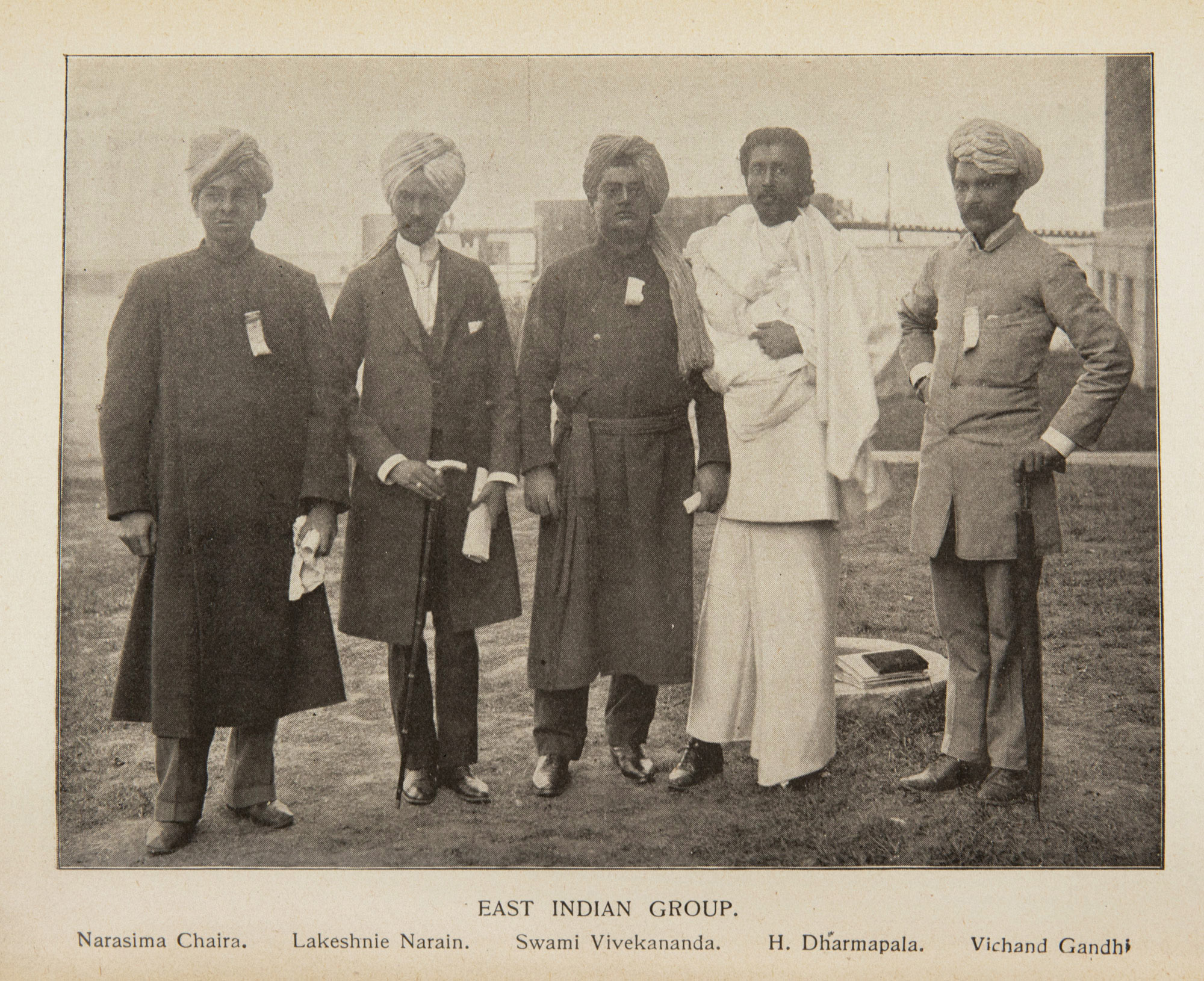
Along with Swami Vivekananda there were Jains and Parsees from India, modern representatives of the Brahmo Samaj, a white-clad representative of the Theravada tradition from Ceylon, a dignified a Shinto priest and a distinguished group of Buddhist monks from Japan, along with an elegant and politically astute representative of the Confucian tradition from the Chinese embassy in Washington. Unable to be present himself, the King of Thailand sent a letter to be read about the virtues of his tradition of Southern Buddhism.
Top Figure: Some of the Asian participants at the World’s Parliament of Religions including (front row, left to right) Virchand Gandhi, Hewivitarne Dharmapala, Swami Vivekananda, and (possibly) G. Bonet Maury. Chicago, September 11, 1893.
Bottom Figure: Indian delegation members including Swami Vivekananda (center). From Walter R. Houghton, Neely’s History of the Parliament of Religions and Religious Congresses at the Columbian Exposition (Chicago: F. T. Neely, 1893)
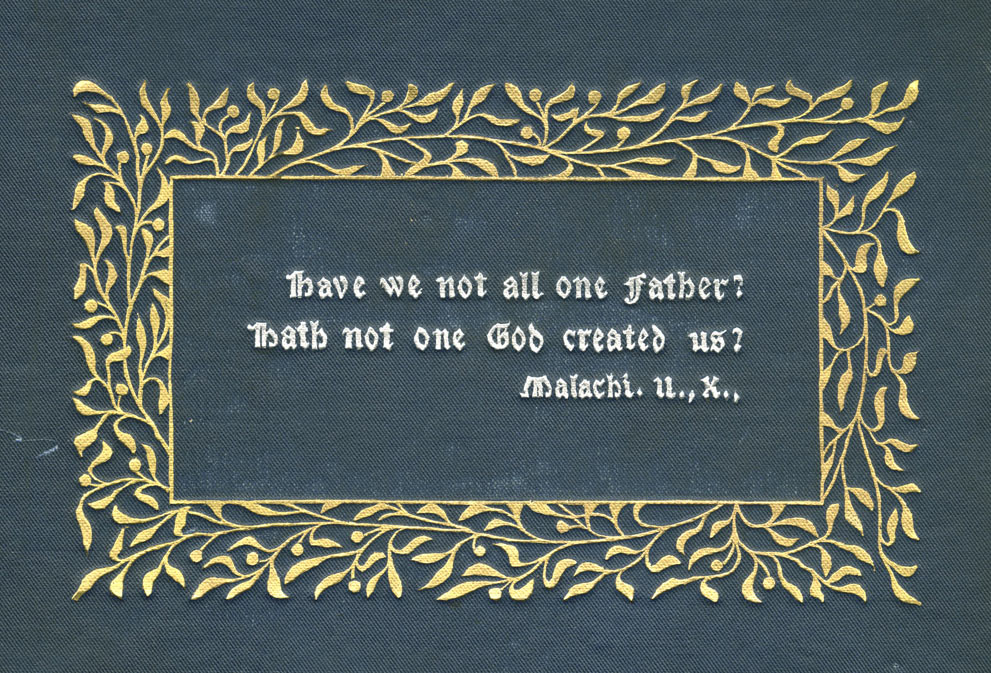
Scripture on cover of the book, The World’s Parliament of Religions; An Illustrated and Popular Story of the World’s First Parliament of Religions, held in Chicago in Connection with the Columbian Exposition of 1893, edited by John Henry Barrows. Chicago: The Parliament Publishing Company, 1893.
In this exhibition, we will explore the impact of this extraordinary group of individuals. We will examine the religious developments in their own countries that made their journeys possible. We will read their speeches and attempt to hear their voices with the same freshness and enthusiasm that they elicited from their Chicago audiences. We will also explore their impact not only on the development of American religion, but on the development of religion in their own home countries.
To represent this group of visionary religious leaders, we will focus on four individuals who had an unusual impact, not only on the Parliament but on the subsequent development of Asian religions in America. The first of these is Swami Vivekananda himself, who traveled through America after the Parliament as the first Hindu missionary to America, organizing religious communities across the country, from San Francisco and Los Angeles to Boston and New York. We will meet Anagarika Dharmapala, the founder of the Maha Bodhi Society, who brought the teaching of Theravada Buddhism to America. From Japan, we will meet the figure of Shaku Soen, a venerable and respected Zen master from Kamakura, who is now recognized as the founder of Zen in America. Finally, we will encounter the enigmatic figure of Pung Kwang-yu, a diplomat from China who was enlisted, perhaps against his better judgment, to speak of the Confucian tradition in a religious gathering that in many ways seemed antithetical to the humanistic impulse of high Confucian culture.
All will give us new ways to understand the arrival of Asian religions in America.
Religion and the “Columbian Myth” of America
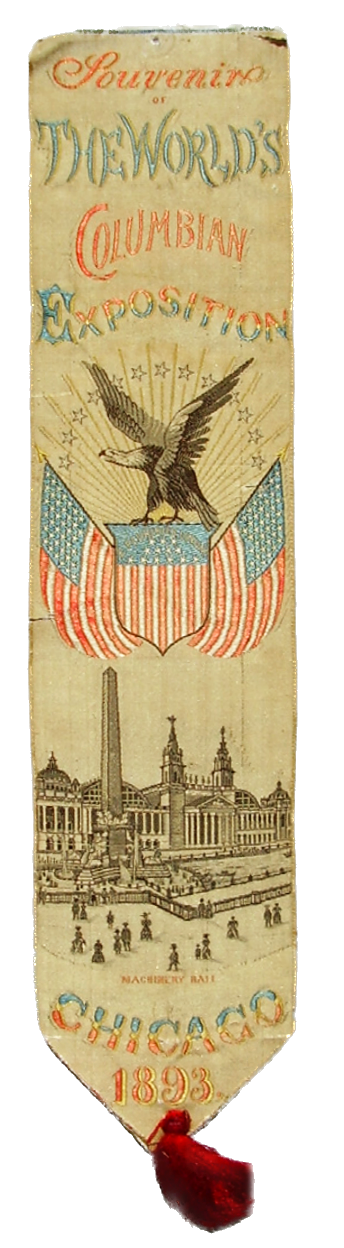
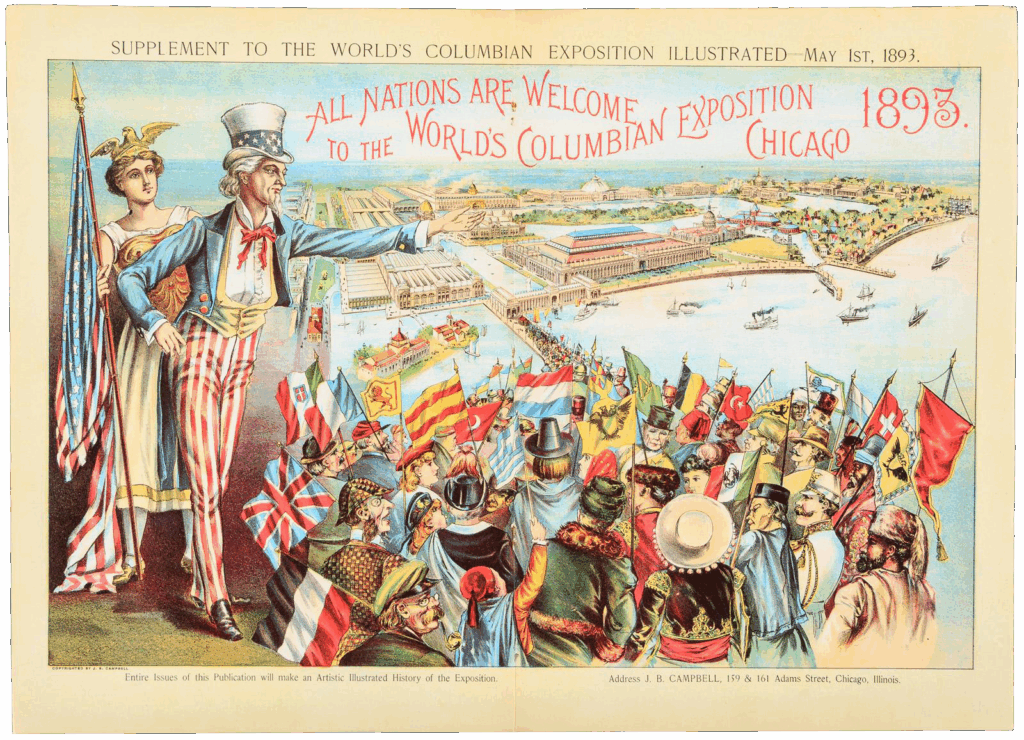
The World’s Columbian Exposition in Chicago in 1893 was intended by its organizers and sponsors to be a lavish and dramatic celebration of America and its place in the world. Commemorating the four hundredth anniversary of Columbus’s landing in the New World, it reflected what some observers have called the “Columbian Myth” of America. Combining elements of American patriotism with the trappings of Classical and Christian civilization, it expressed a hope, perhaps even a confident conviction, that America had inherited the cultural values and the religious mission that would make it, in the words of Richard Seager, “a new imperium, a new Greece or Rome, and a New Jerusalem, the city of God and man, toward which Christians had labored for centuries.”1
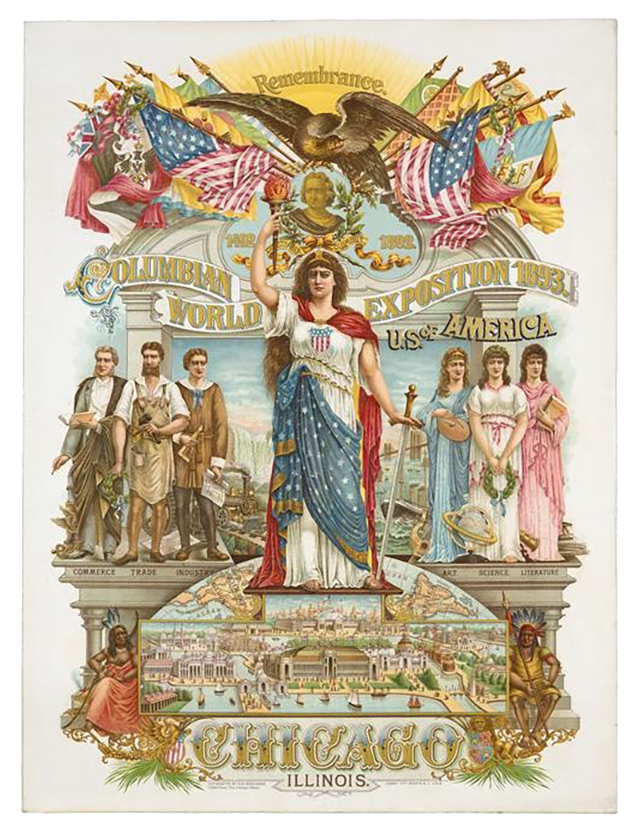
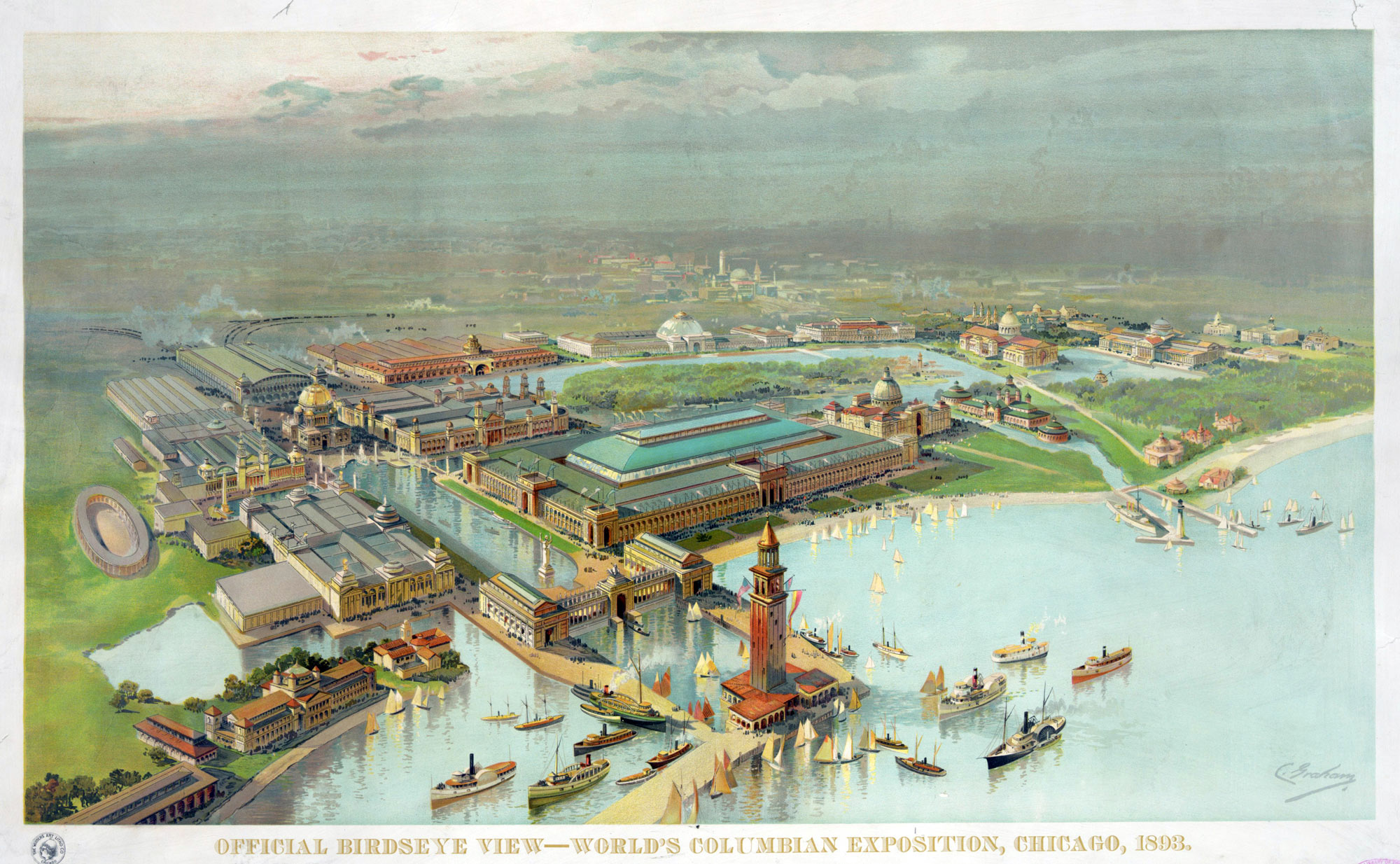
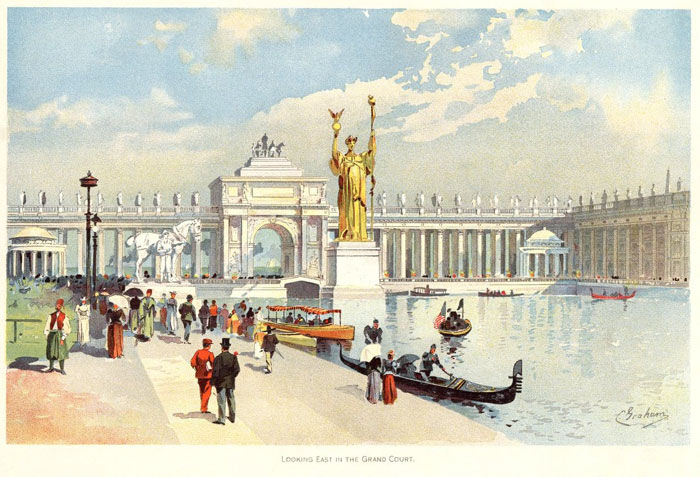
The Columbian Myth had many dimensions, as expressed in the many facets of Chicago’s impressive “White City.” Exhibition halls buzzed and rattled with the sounds of the latest technology, from moving walkways and a new-fangled “Ferris Wheel” to the first commercial movie theater. The fair grounds were laid out by the great landscape architect, Frederick Law Olmsted, who was renowned for some of the most iconic public spaces in North America, including New York’s Central Park, Boston’s Emerald Necklace, and Montreal’s Mount Royal Park. The exposition’s buildings and other public spaces featured the neoclassical and Beaux-Arts designs that were in vogue in America’s “Gilded Age” and expressed the conviction that America was the heir of the great civilizations of Europe.
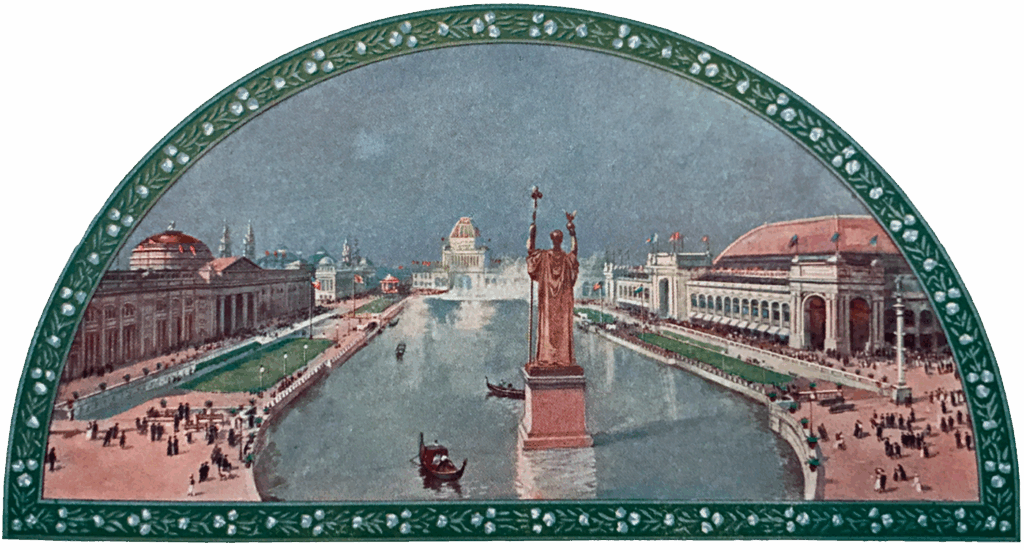
This sense of cultural confidence was on vivid display in the opening ceremonies on May 1, 1893, when 200,000 people gathered on the shores of Lake Michigan to set the Exposition in motion. President Grover Cleveland pressed a telegraph key to start the festivities. A choir of 5,000 voices sang Handel’s “Hallelujah Chorus” while 700 banners were unfurled from porches on the palaces in the Exposition’s Court of Honor. Water streamed from electric fountains, as Daniel Chester French’s huge gilded statue of the Goddess of Liberty was unveiled. One observer recalled that the distant hum of gigantic machinery mingled its low, strong voice with the strains of the national anthem, played by the orchestra and sung by the people. The World’s Columbian Exposition was underway.2
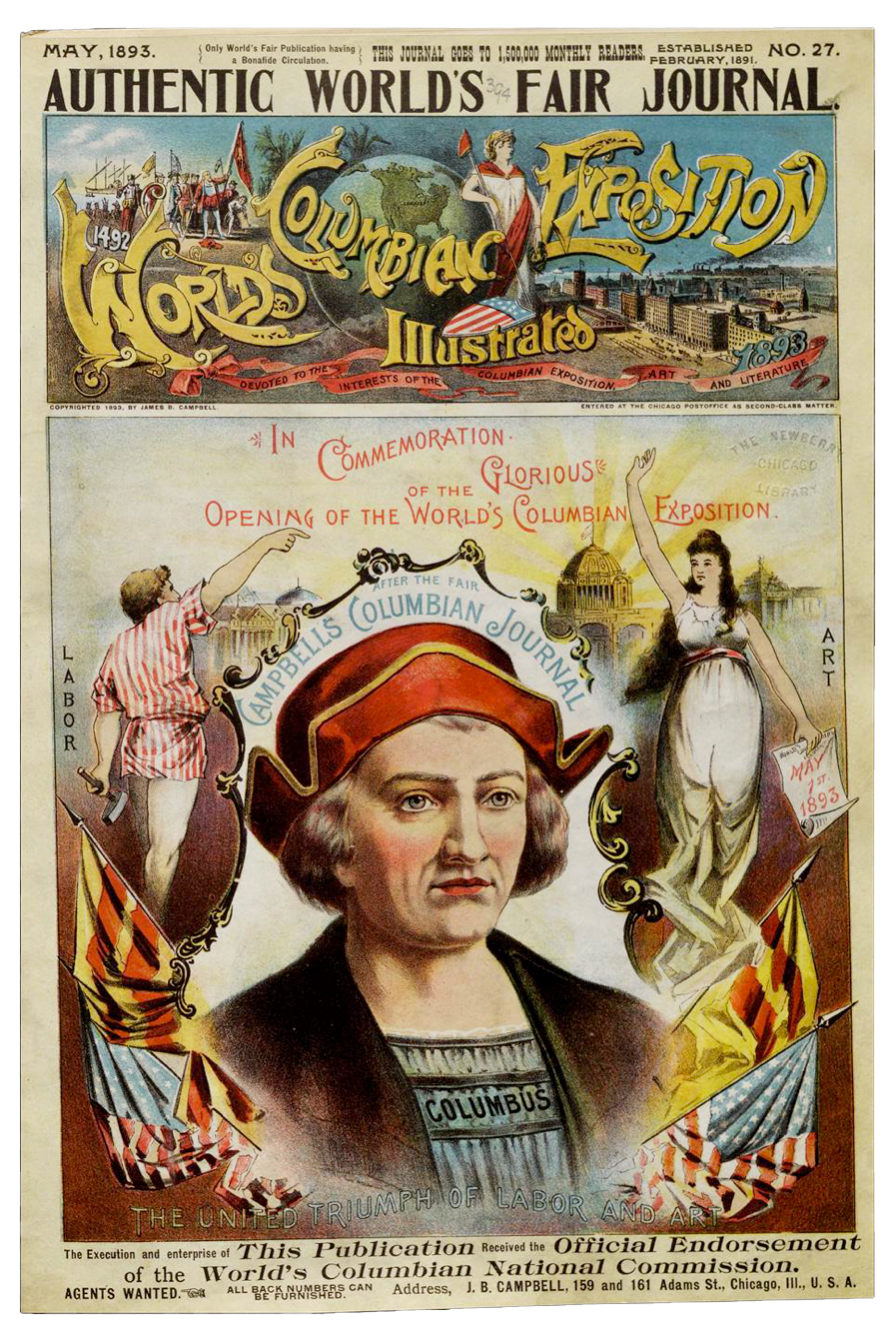
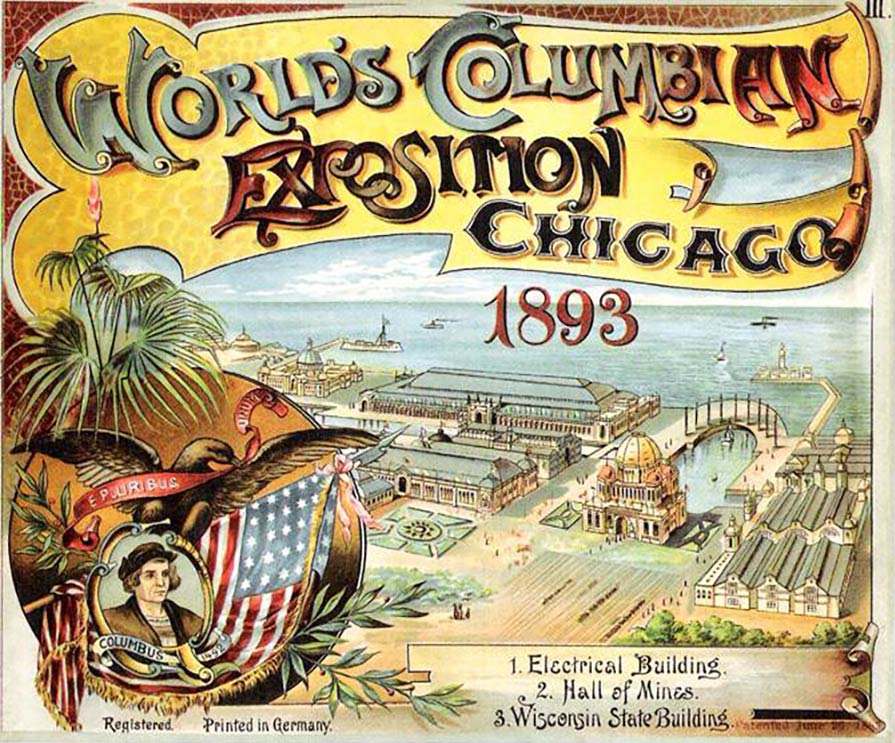
It is no surprise that religion played a central part in this national celebration. Much of what constituted the sense of America’s distinctive place in the world came not just from its industrial dynamism or its reverence for Classical ideals, but from the mythology of its Pilgrim ancestors who saw the American wilderness as a place to establish their own vision of a city of God. The sense of mission in the Columbian Exposition was not far from the words spoken by John Winthrop on his flagship Arbella as early colonists were about to land in Massachusetts Bay in 1630: the new community “would be as a city upon a hill” with “the eyes of all people upon us.” Winthrop’s words were echoed by Christian preachers who saw the Exposition as embodying this kind of mission to the world. The Protestant preacher David Swing expressed this idea when he said that the structures of the Exposition “made nature seem greater, beauty greater, men greater in genius and sentiment, republics more valuable and religion more simple and true.”3
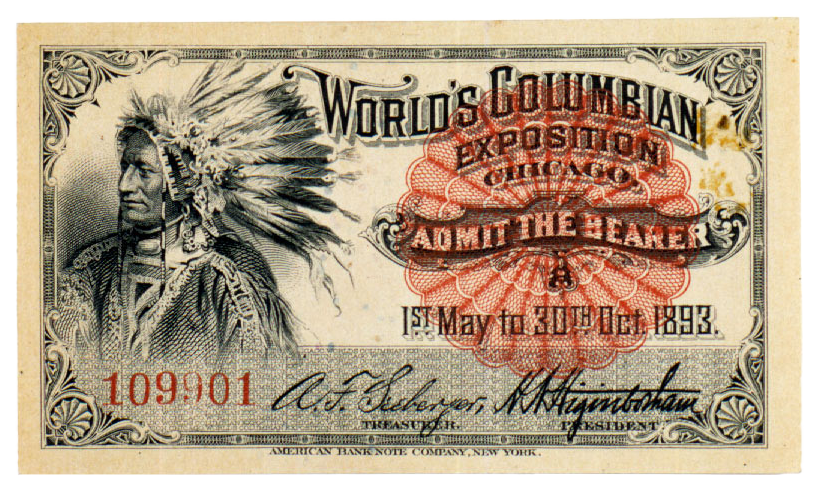
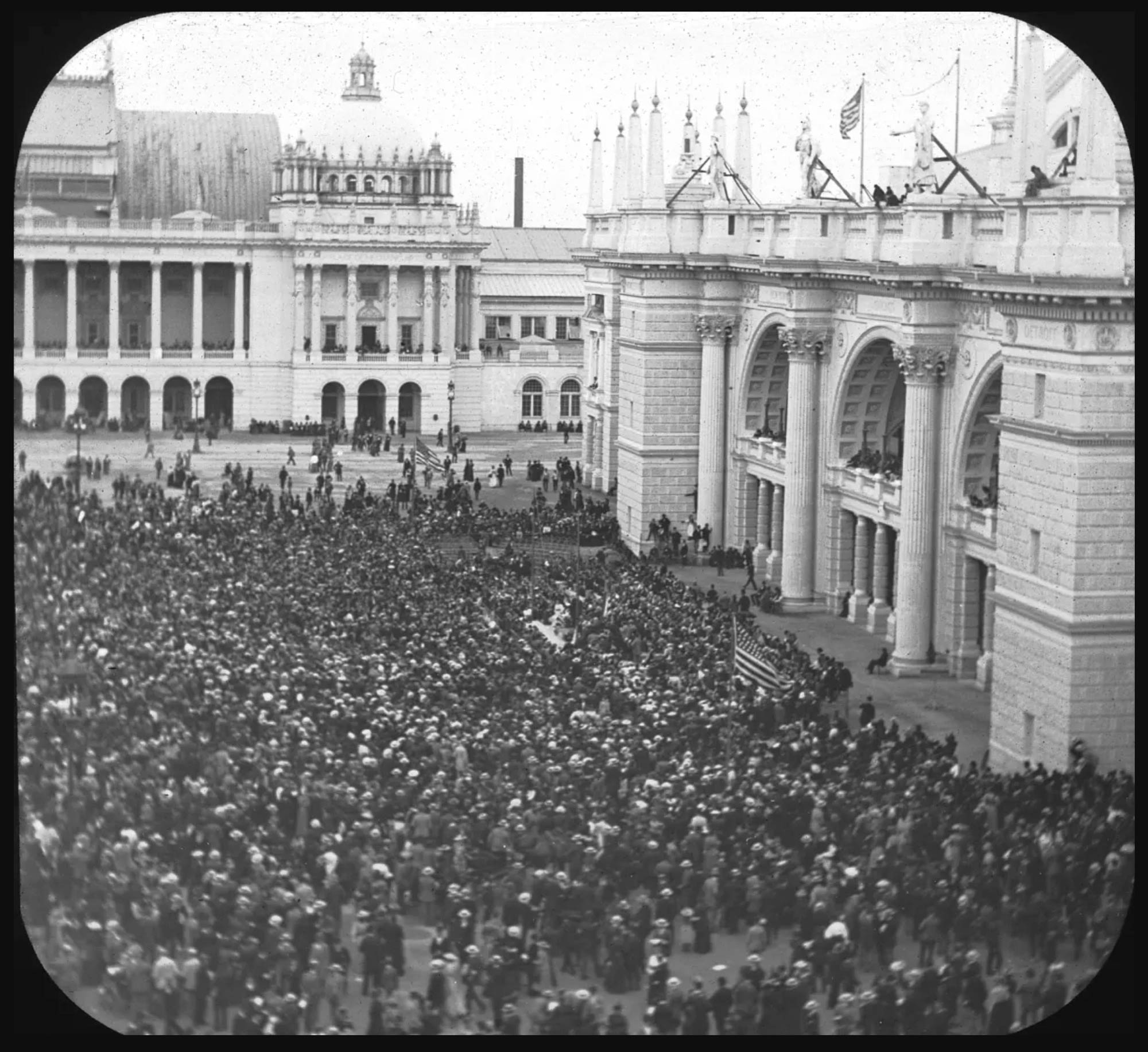
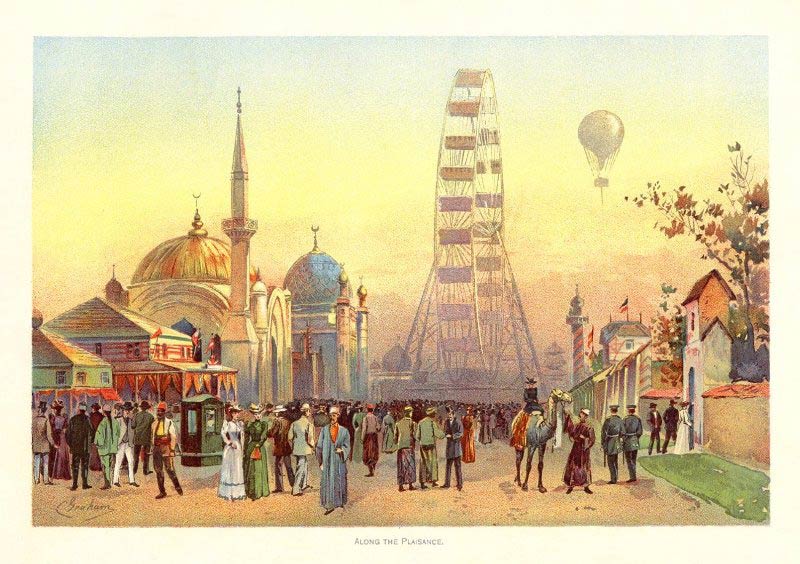
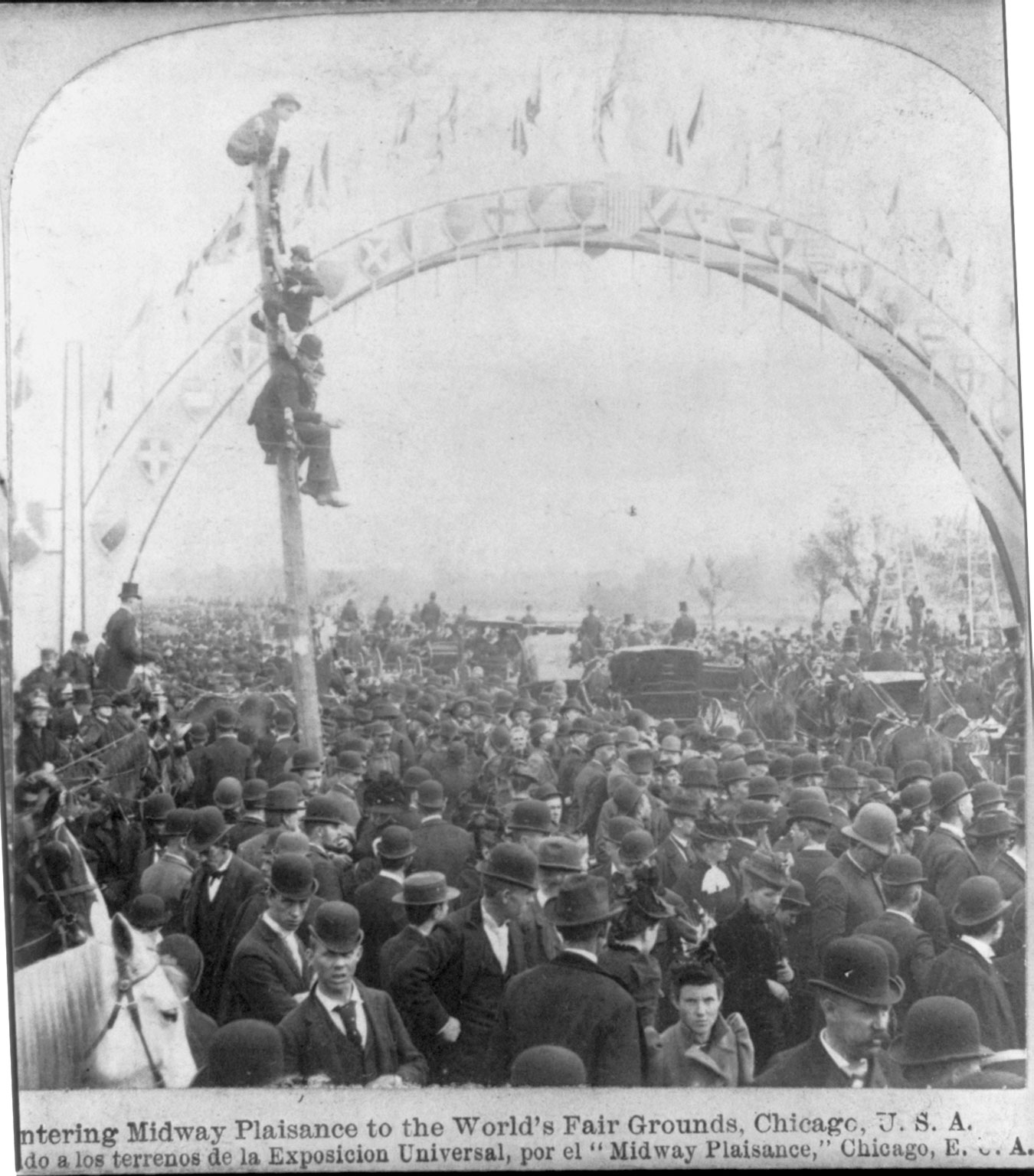
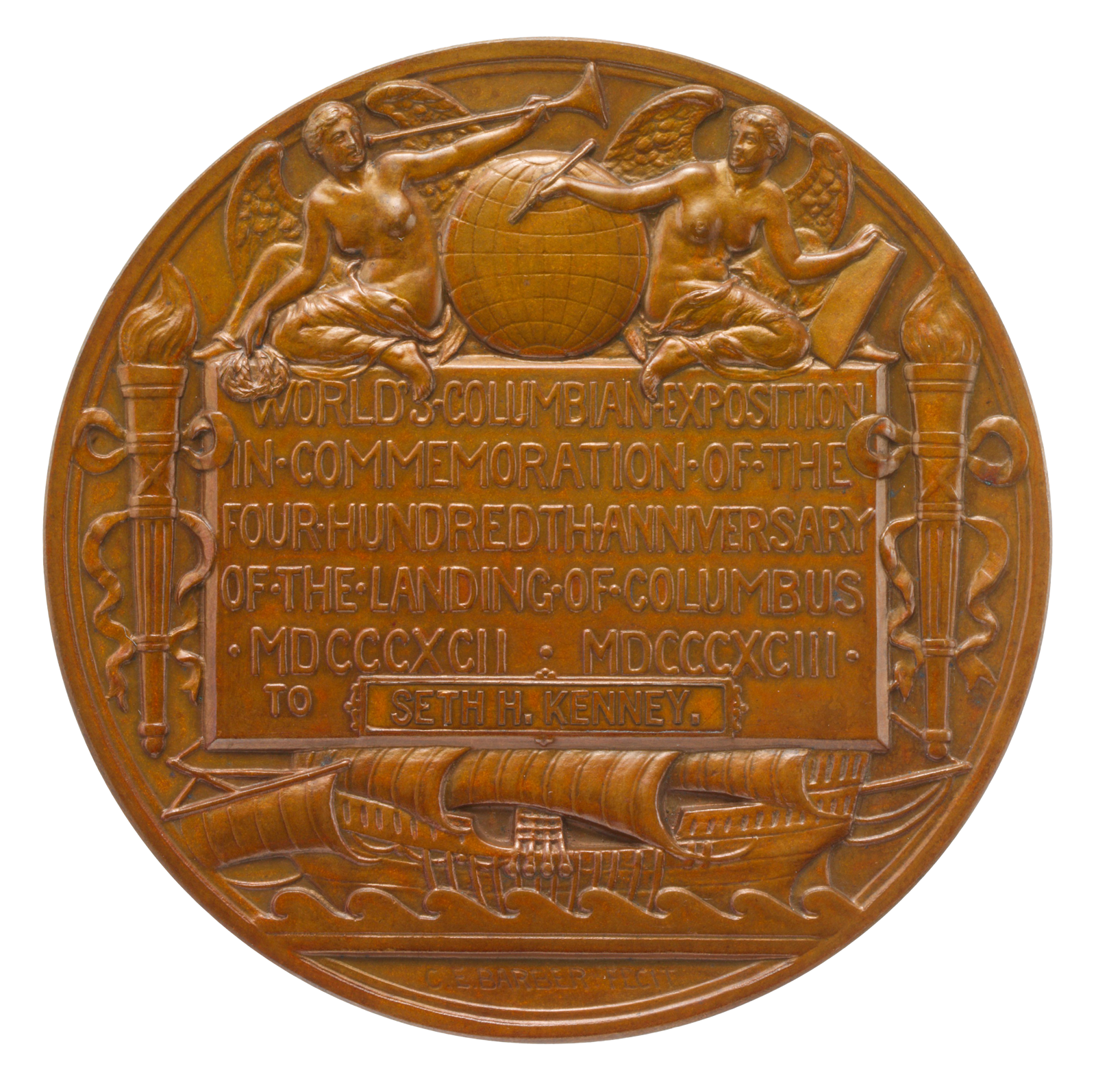
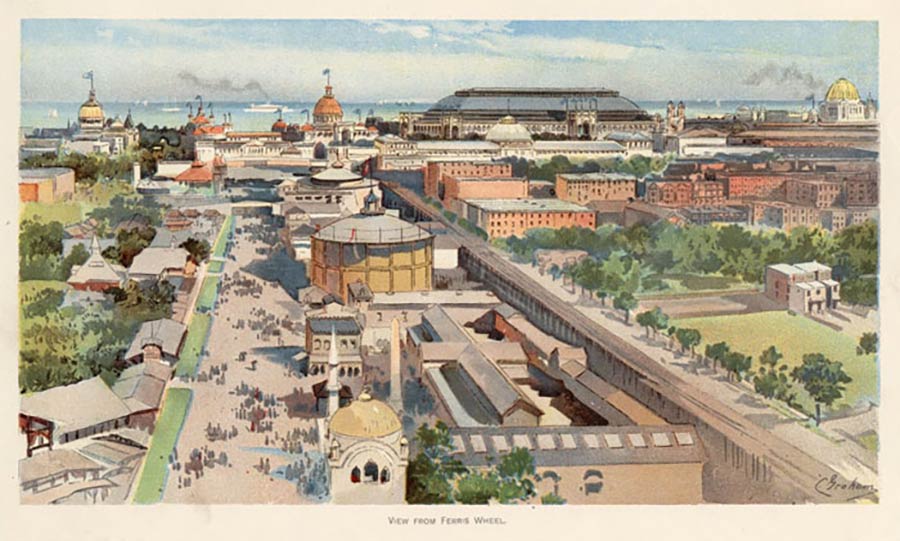

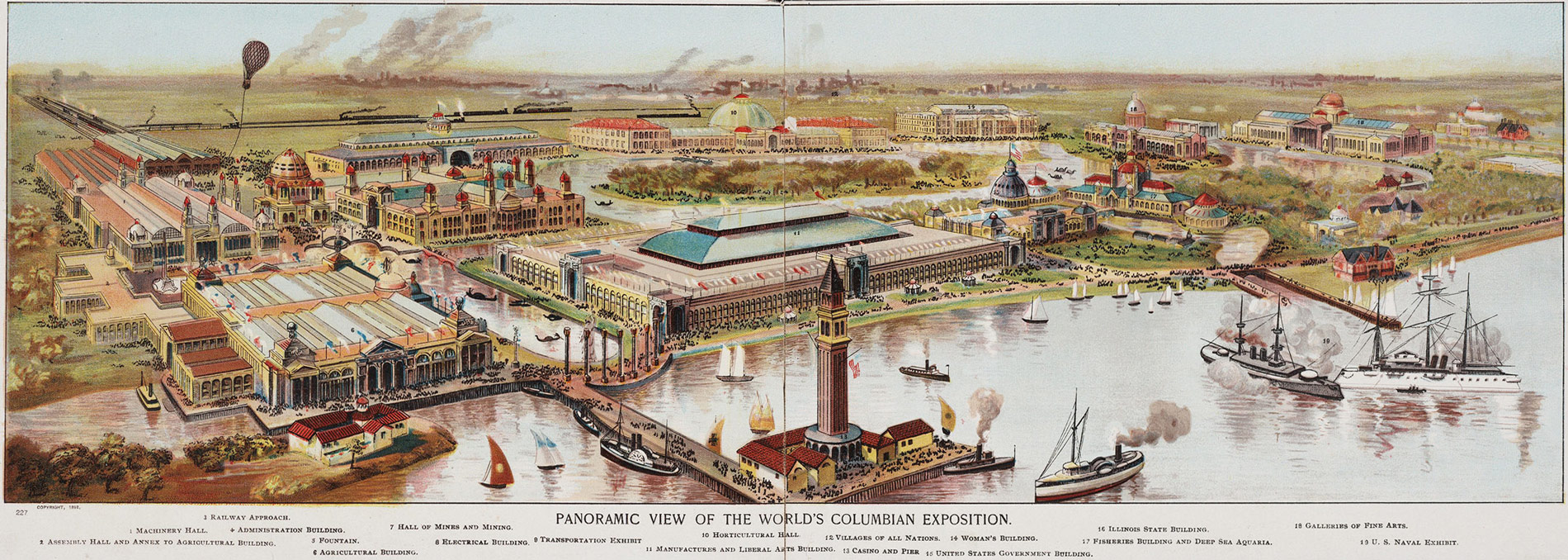
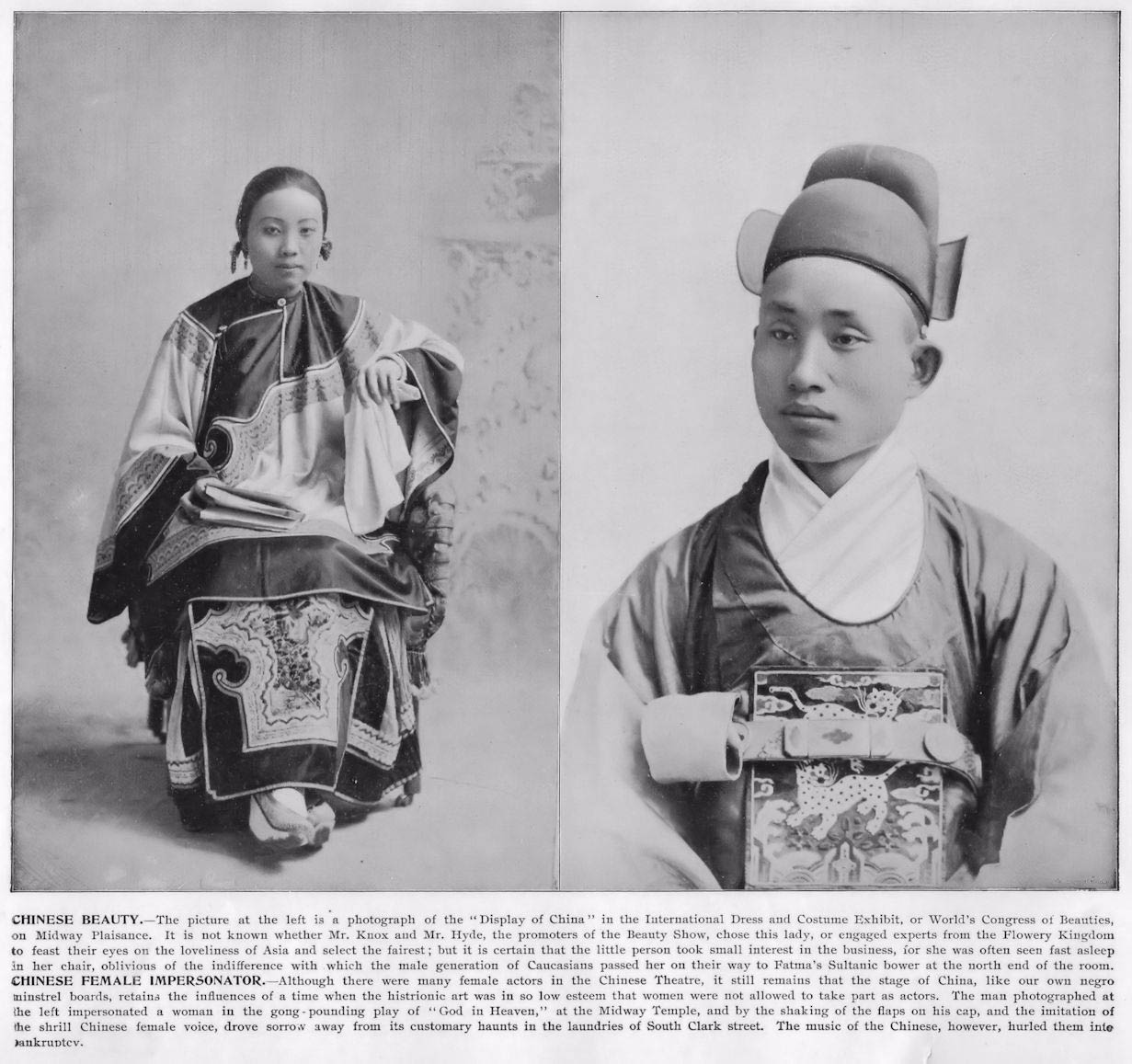
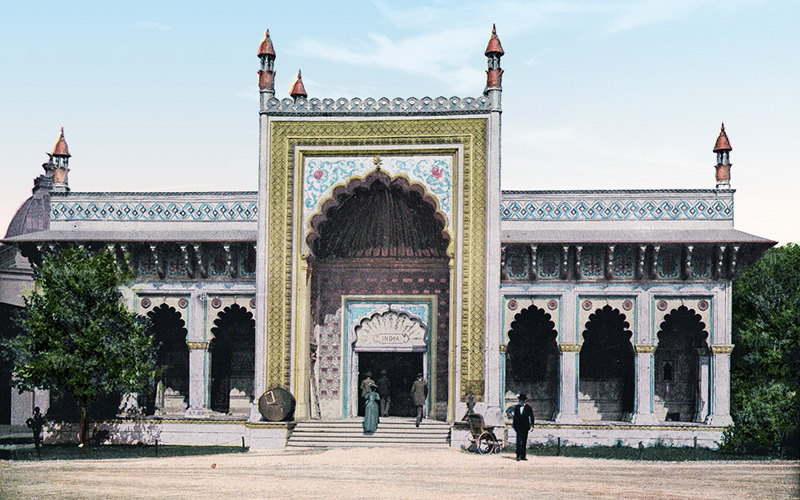
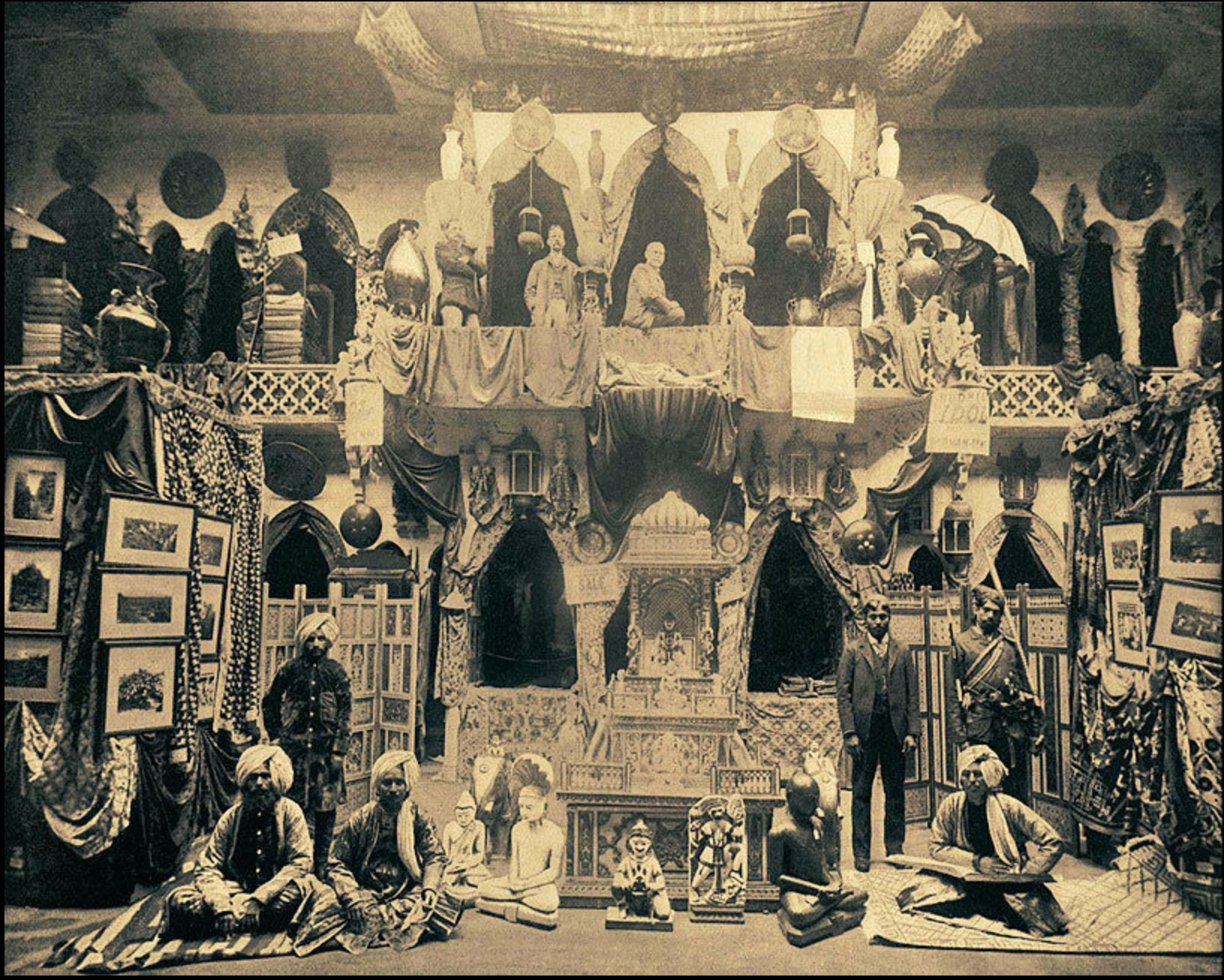
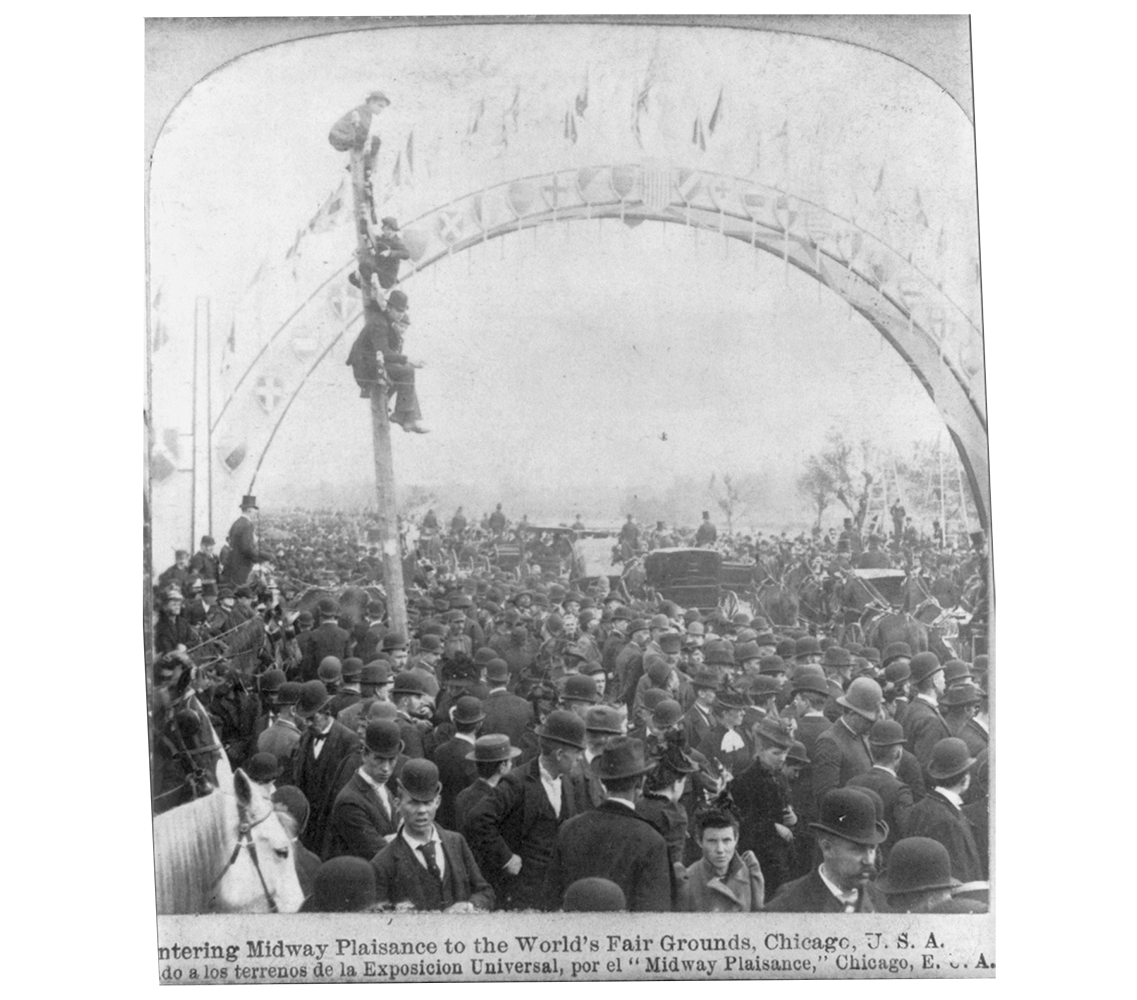
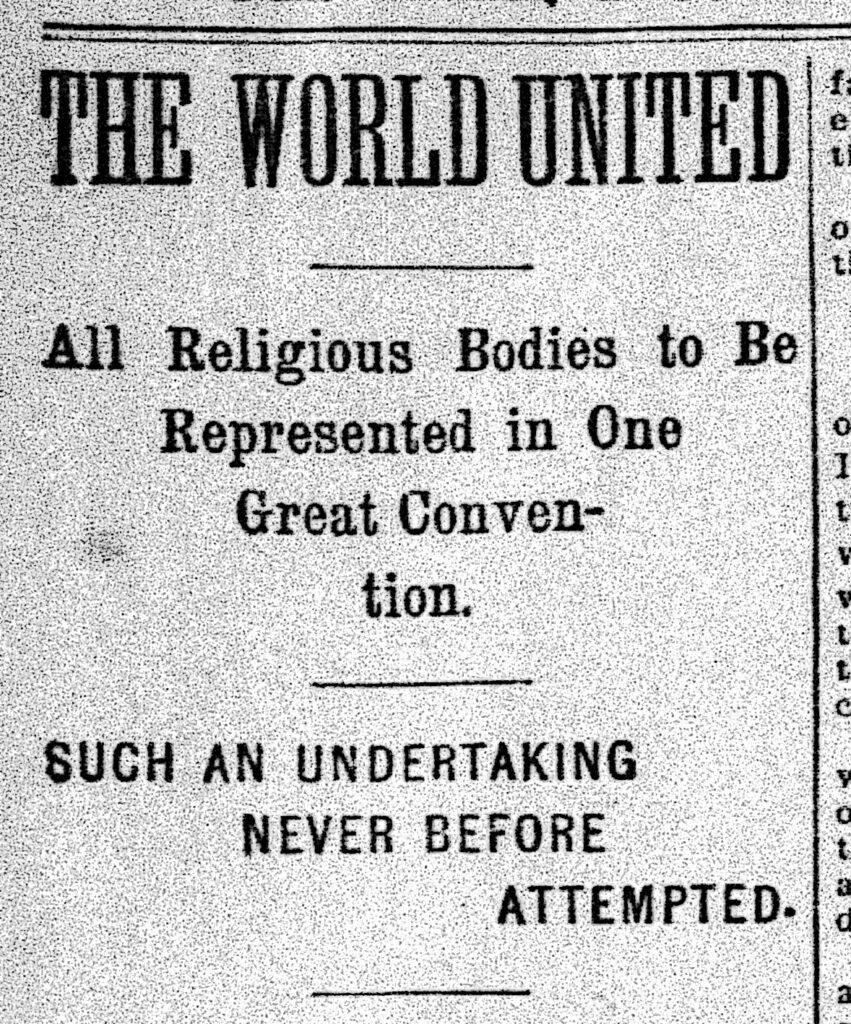
While religious convictions were expressed in many aspects of the Exposition, they were given distinctive expression in the World’s Congress Auxiliary, a series of international congresses associated with the Exposition that were designed “to provide an intellectual and spiritual complement to the Exposition’s cultural and technological displays”.4 The “World’s Parliament of Religions” was one of these Auxiliary meetings. To its organizers and to many of its participants and observers, it was not just one “auxiliary” among many; its organizers saw it as “the most noble expression of the World’s Columbian Exposition.” By bringing religious leaders together from a wide variety of religious denominations in Europe and America and giving a platform and a voice to a parade of religious leaders from Asia, the Parliament changed American perceptions of Asian religion and launched an era of religious pluralism. After the experience of the Parliament, it was no longer possible to imagine that a single religious tradition could presume to dominate American religious life. America became a nation of many religious voices and convictions, a place where religions that once were considered alien could be seen as part of the complex tapestry of American religion.
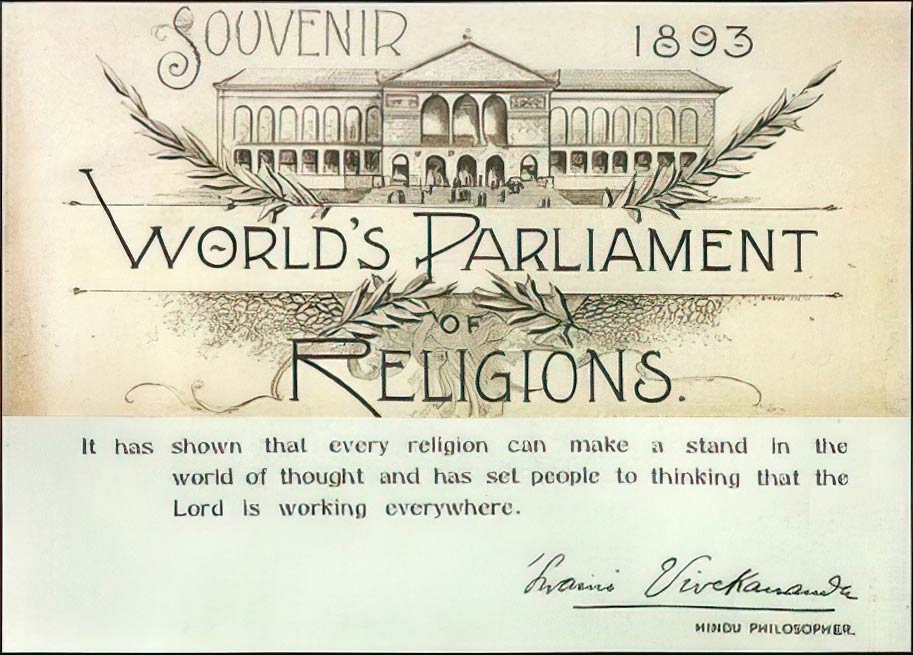
Where did the Asian voices at the World’s Parliament come from?
What prepared them to make the long journeys from their home countries to join a gathering of religious luminaries in the heartland of America? And what did they have to say?
Footnotes
- Richard Hughes Seager, The World’s Parliament of Religions: The East / West Encounter, Chicago, 1893, p. 9 (Bloomington: Indiana University Press, 2009). ↩︎
- This paragraph draws from Richard Hughes Seager, The World’s Parliament of Religions: The East / West Encounter, Chicago, 1893 (Bloomington: Indiana University Press, 2009). ↩︎
- Richard Hughes Seager, The World’s Parliament of Religions: The East / West Encounter, Chicago, 1893, p. 15. (Bloomington: Indiana University Presss, 1995). ↩︎
- Richard Hughes Seager, The World’s Parliament of Religions: The East / West Encounter, Chicago, 1893, p. xxix. (Bloomington: Indiana University Presss, 1995). ↩︎
Exhibition Rooms
Exhibition Curator
M. David Eckel
Professor Emeritus of Religion, Boston University
with Noah Fischer
B.A. Chinese Language & Literature and Political Science, Boston University, and Master of Public Policy, University of Chicago