Before the Parliament

Room No. 1
Historical Encounters Between Asian Religions and the West
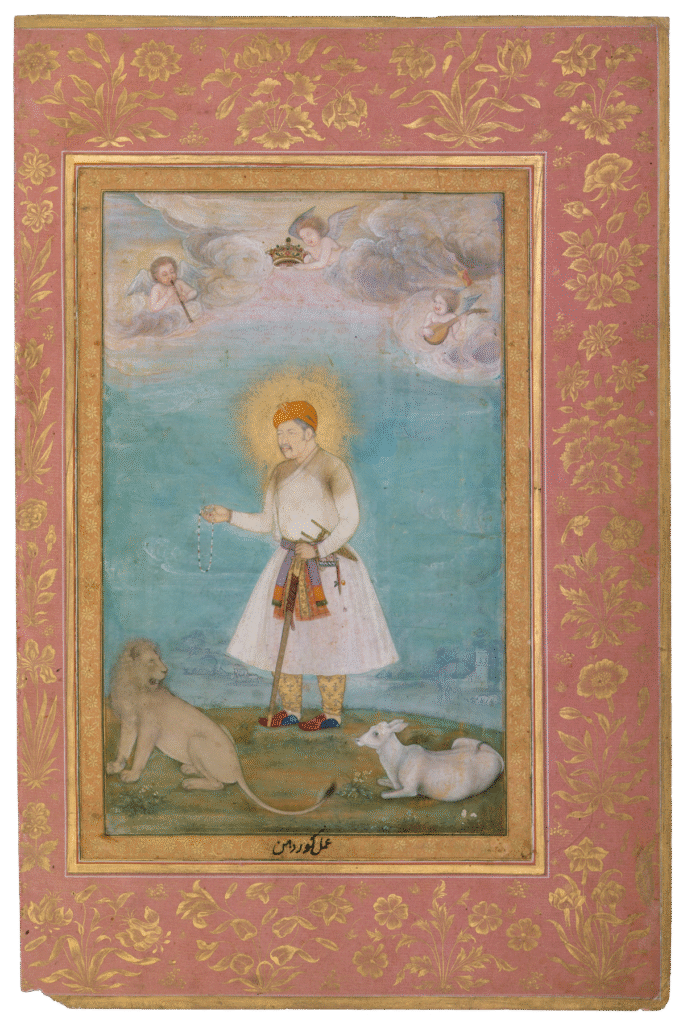
The Asian religious leaders who took the stage at the World’s Parliament were the heirs of a long history of encounters between the religions and cultures of Asia and the traditions of regions farther to the West. When Alexander the Great marched to the eastern edge of the Persian Empire in the fourth century BCE and entered the plains of northern India, he left behind traces of Greek cultural influence that not only shaped the cultures of India but gave India its traditional word for a foreign invader. The word yona (or Sanskrit yavana), from the word “Ionian” or Greek. Arab armies brought Islam to the northwestern Indian province of Sindh in the 8th century, shortly after the death of Muhammad, initiating a long and complex relationship between Islam and the indigenous traditions of South Asia. Christianity entered the mix in a dramatic way with the arrival of the Portuguese in India at the start of the sixteenth century, although there were already indigenous Christian communities in India that traced their origin back many centuries to Thomas the Apostle in the 1st century. India had, and continues to have, a Jewish community of comparable antiquity.
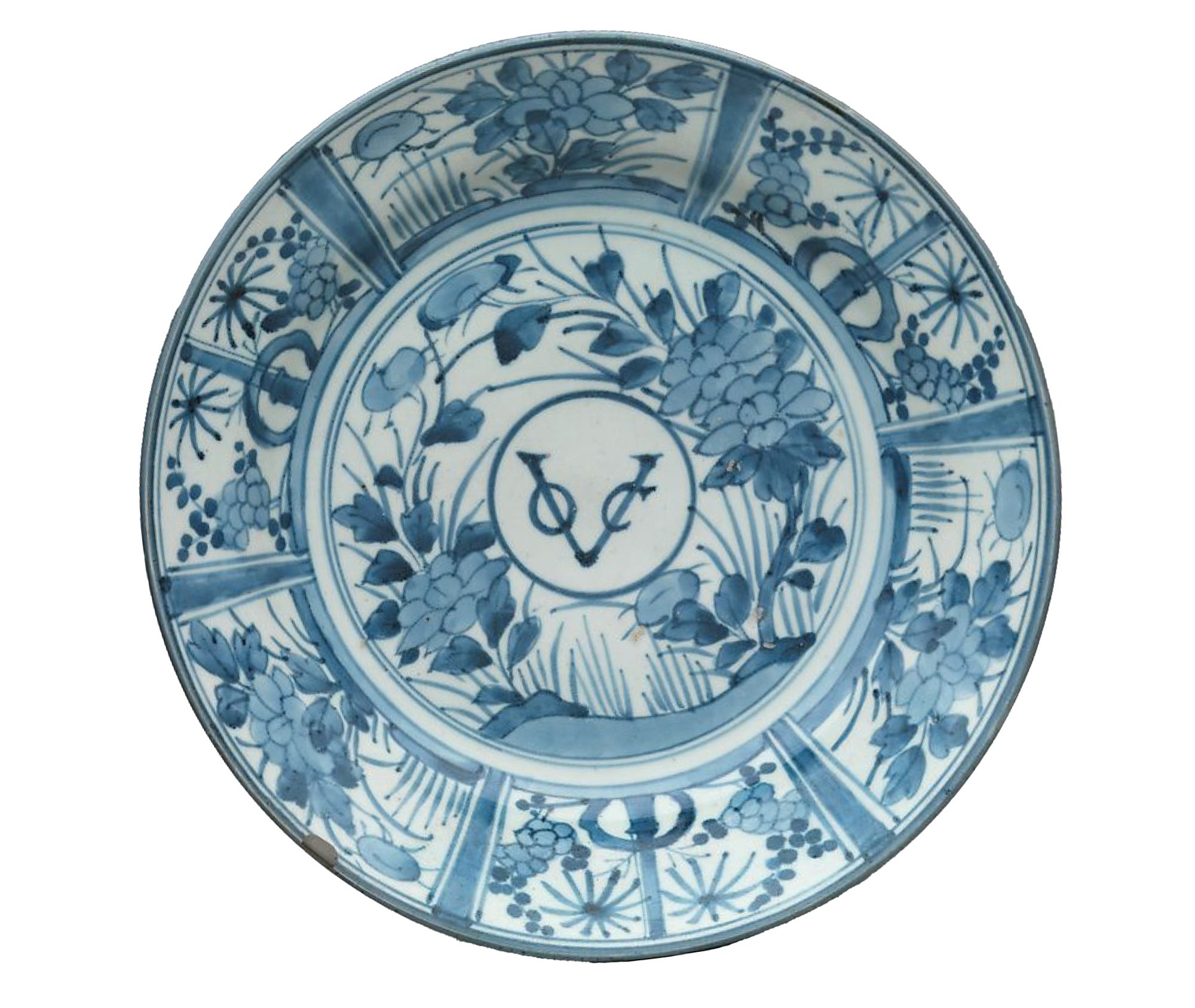
The interaction of the world’s religions was not a new phenomenon in India. One could argue (as some did) that the World’s Parliament had already been anticipated many centuries before by India’s own inter-religious gatherings and convocations. A similar story can be told, with different characters and different traditions, in the relationship between the traditional cultures of China and Japan and the religious traditions of the West. But the encounter between Asian traditions and the West took on greater sophistication and urgency with the expansion of European colonial powers in the eighteenth and nineteenth centuries.