Asian Voices at the World Parliament of Religions
Room No. 3: After the Parliament
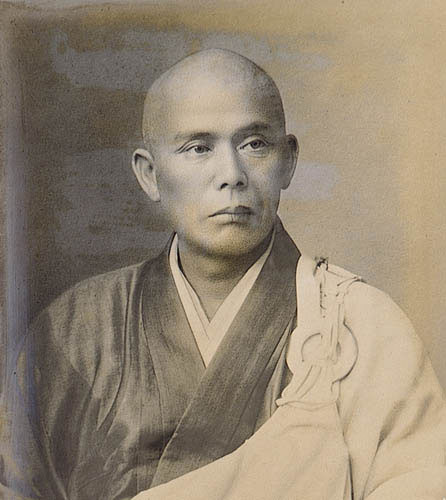
SHAKU SŌEN 釈 宗演
(1860–1919)
When Shaku Sōen gave his first lecture at the Parliament, “The Law of Cause and Effect, as Taught by Buddha,” one of the most important members of the audience was a German emigré, theologian, and publisher named Paul Carus. Dr. Carus shared Shaku Sōen’s interest in religion and science and was fascinated by his argument about the scientific validity of Buddhist thought. He felt that Buddhism could help heal the breach between science and religion.
Carus was the managing editor of the Open Court Publishing Company, an enterprise that had been founded by his father-in-law to promote discussion of philosophy, science and religion, and to make classics of philosophy available in the West. He numbered among his friends and correspondents Leo Tolstoy, Booker T. Washington, Elizabeth Stady Canton, and John Dewey. His interests were eclectic, but he was particularly fascinated by Buddhism. When the Parliament ended, Carus invited Shaku Sōen to visit him at his home in LaSalle, Illinois and suggested that Shaku Sōen help him translate and edit a new series of works on Asian philosophy. Shaku Sōen, the abbot of one of Japan’s most prominent Zen temples, was already committed to return to Japan, but he suggested instead that Carus call on his young student, Daisetz Teitaro Suzuki, who had translated Shaku Sōen’s speech for the Parliament of Religions. Thus began one of the most productive and influential publishing collaborations in the introduction of Buddhism to America.
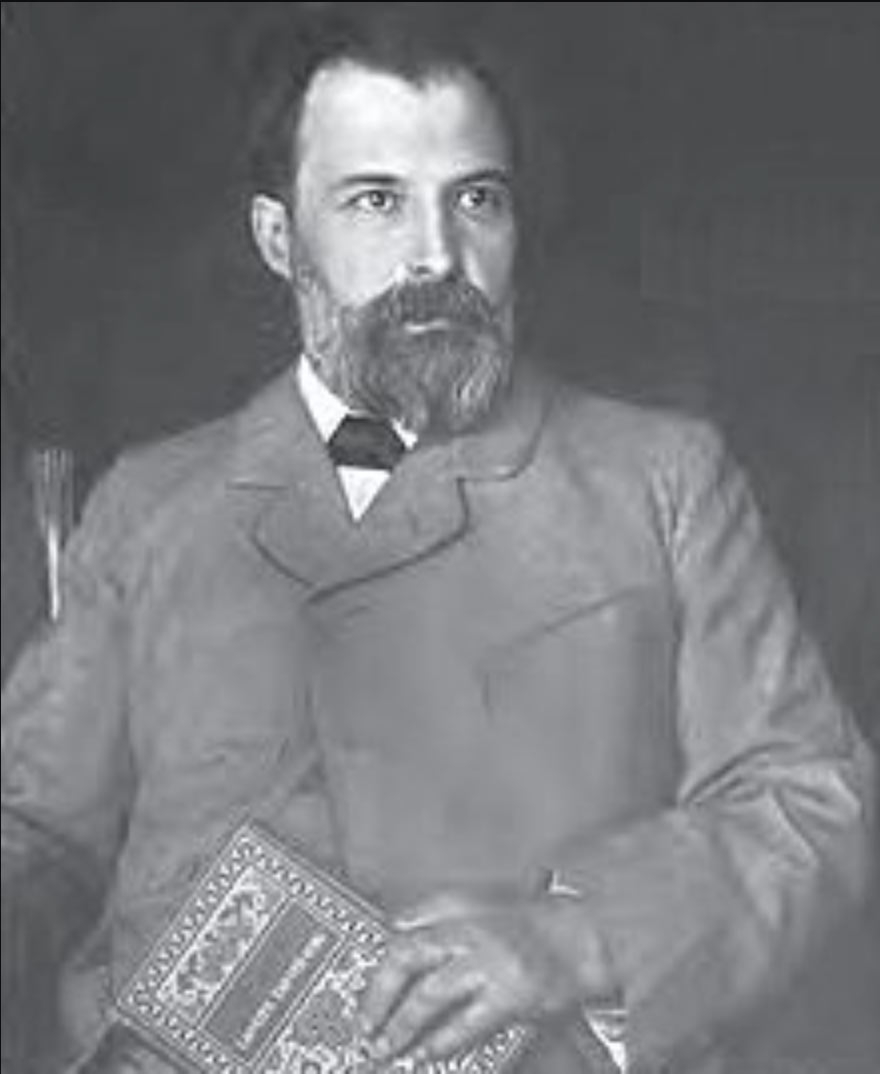
Paul Carus (1852-1919)
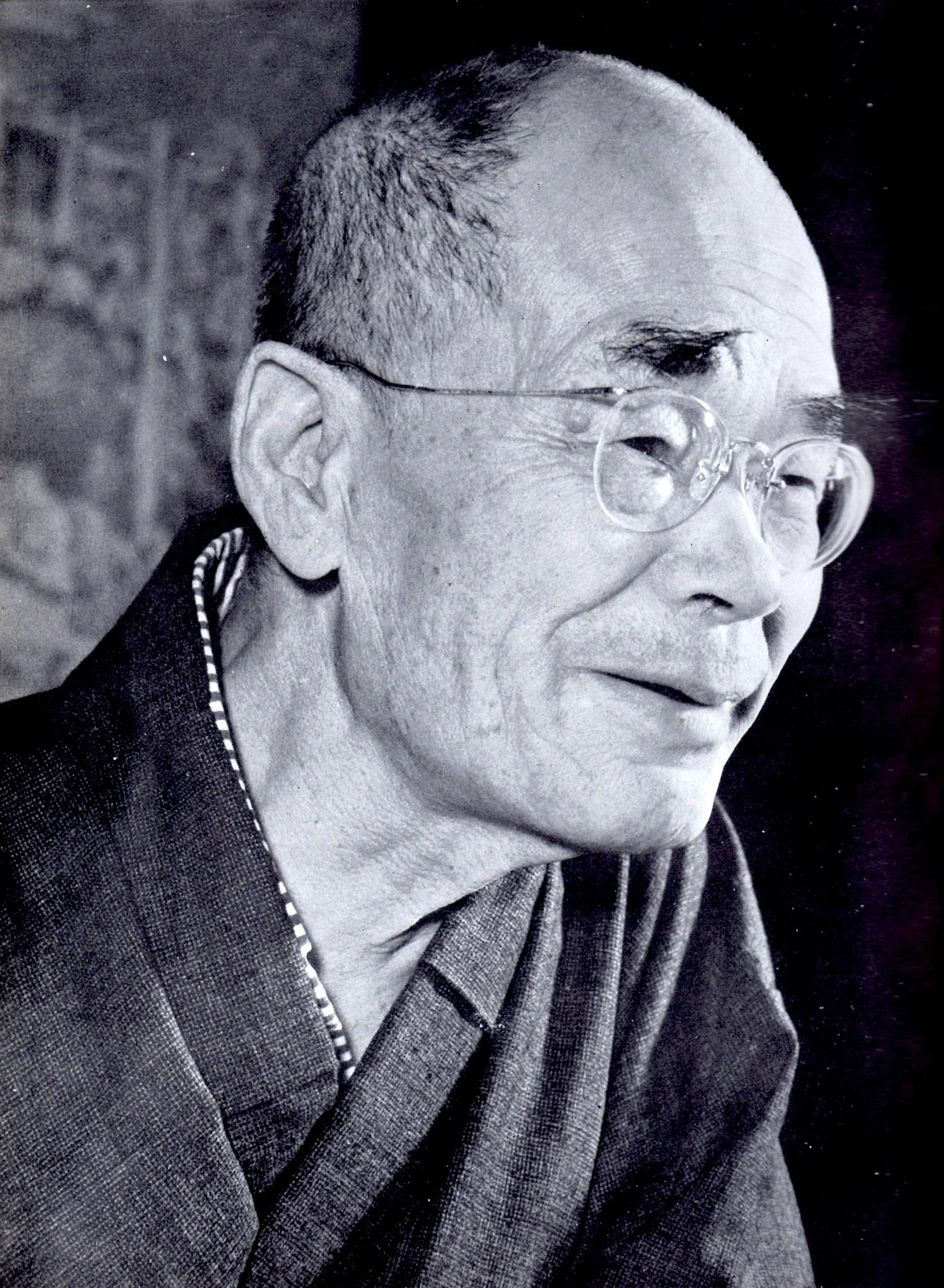
D.T. (Daisetsu Teitarō) Suzuki (1870–1966), in a photograph by Shigeru Tamura.