The Stages of Asia’s Exposure to the West
Trade
Bringing the West to Asia, and Asia to Western Audiences
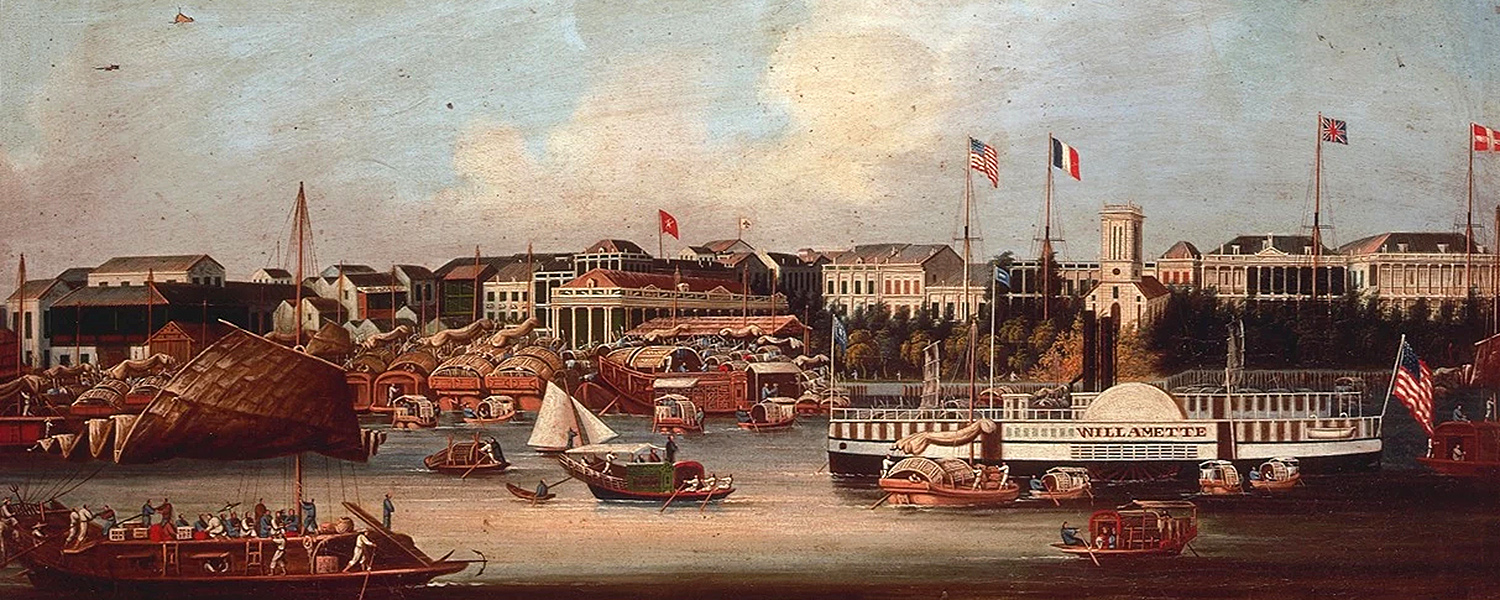
The American paddle steamer ‘Willamette’ at Canton (Guangzhou), China, ca. 1856. Oil on canvas on board.
(Source: National Maritime Museum, Macpherson Collection, Royal Museums Greenwich RMG_BHC1776)
The West Meets the “Exotic East”
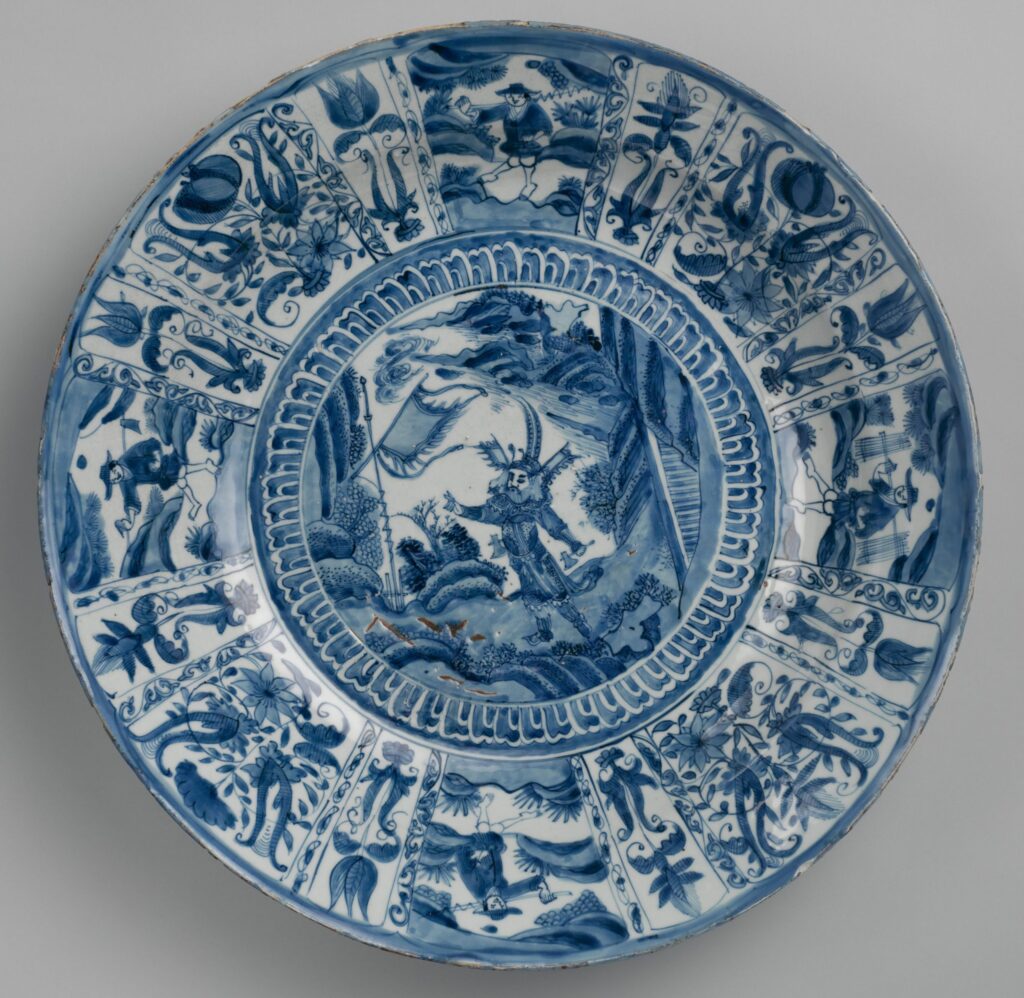
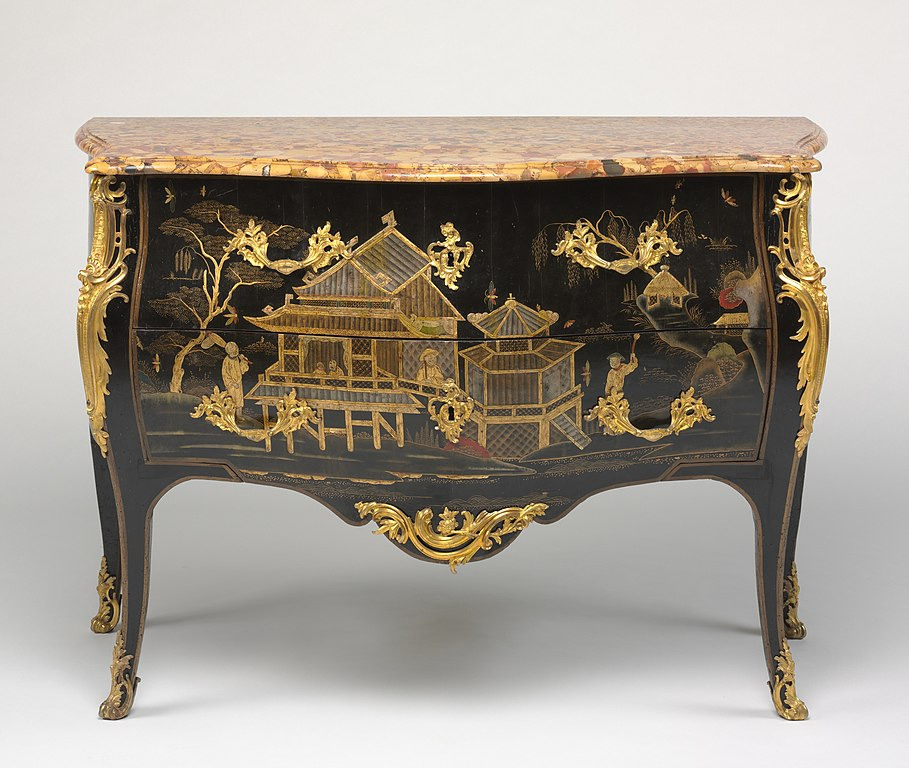
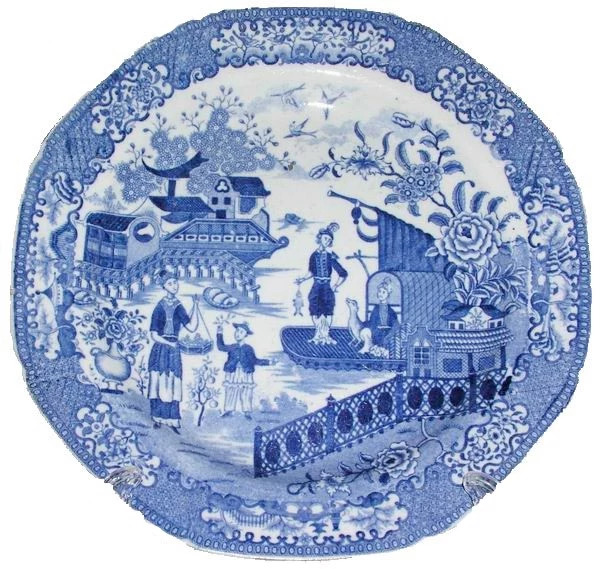
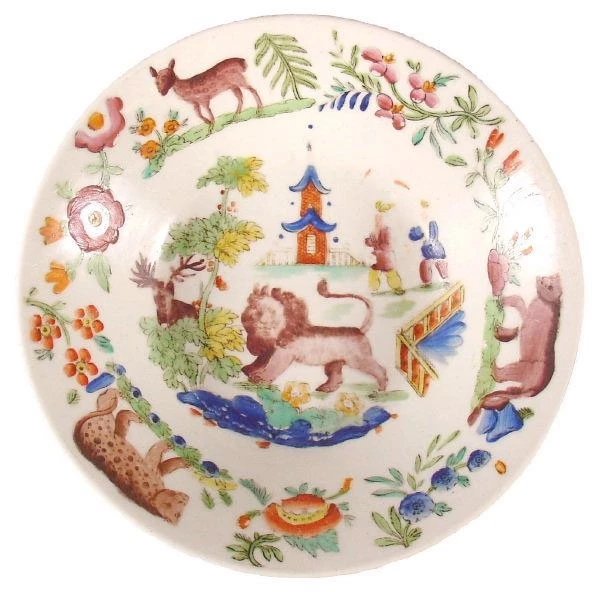
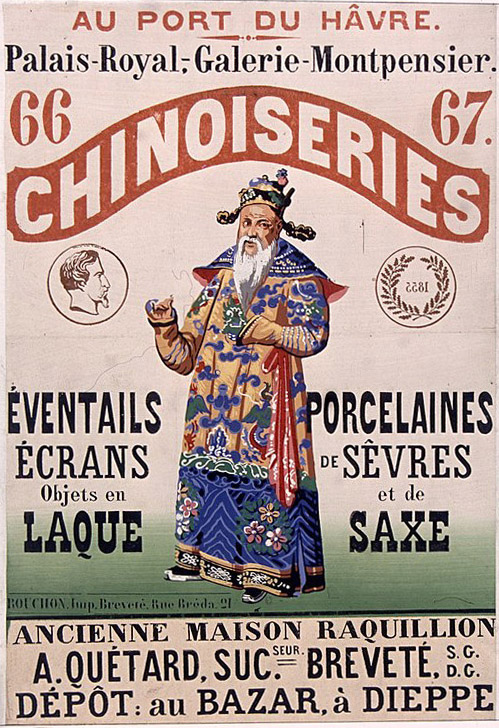
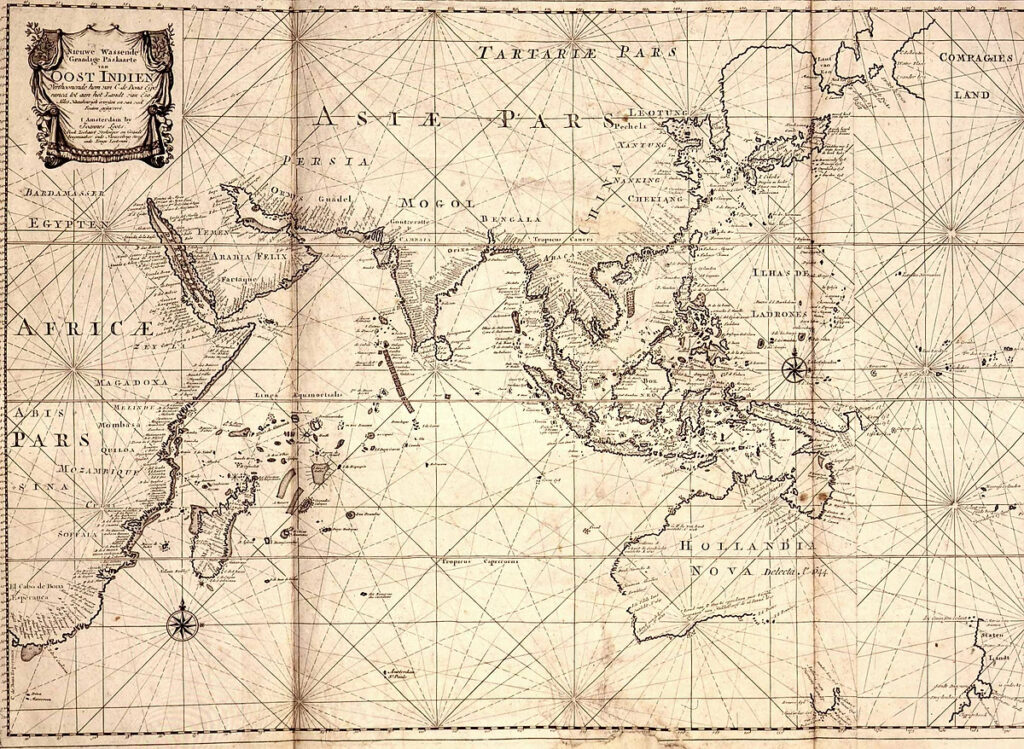
As the trade with China, India, and the East Indies evolved in Europe and America during the late 18th and early 19th centuries, many Europeans and Americans held an idealized view of the “exotic East.” Few Westerners had actually seen these regions, and the lack of detailed and reliable accounts of these distant lands and their people led to a fascination for the exoticism of the Orient. This was both fueled and satisfied by fanciful views painted on Chinese export ceramics and other wares beginning in the late 18th century and then endlessly reinterpreted and mass-produced by European factories in a self-perpetuating cycle of cultural misinformation.
Gallery
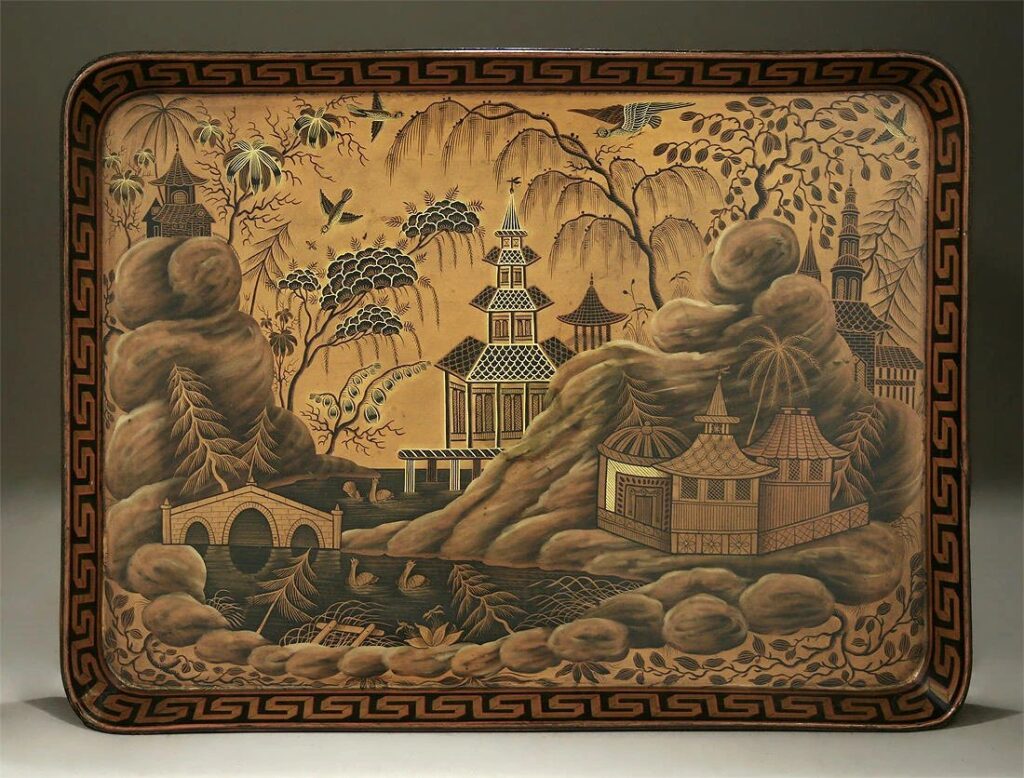
Examples of export ware produced for the Western market include scenes on porcelain (left) of willows, rolling lakeside hills, pagodas, and strolling scholars. This type of chinoiserie—a complicated mixture of Chinese, Japanese, Islamic, and various European styles— reinforced long-held perceptions of China and other parts of Asia, feeding the taste for the “exotic” in Europe and America.