Early Private Museums Bring Asia to the West
Nathan Dunn’s Chinese Museum
Philadelphia 1838-1842
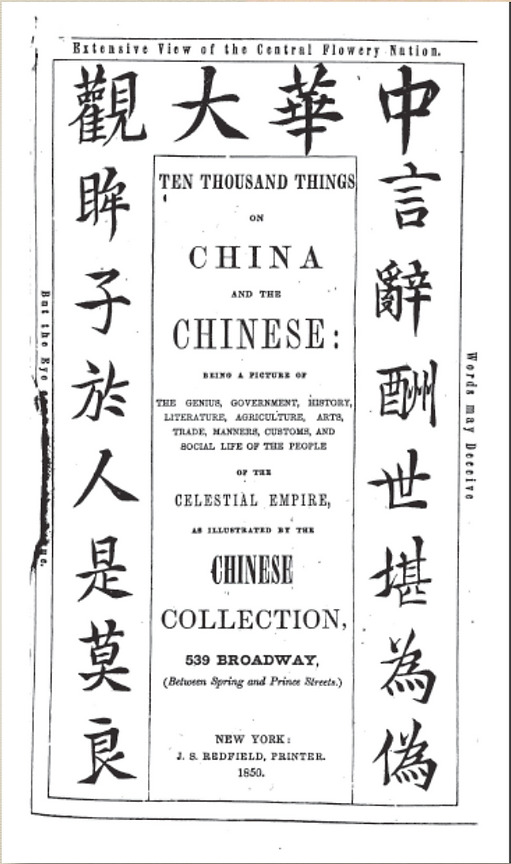
Langdon, William B. Ten thousand things relating to China and the Chinese :an epitome of the genius, government, history, literature, agriculture, arts, trade, manners, customs, and social life of the people of the celestial empire, together with a synopsis of the Chinese collection. Source
“Ten Thousand Chinese Things”
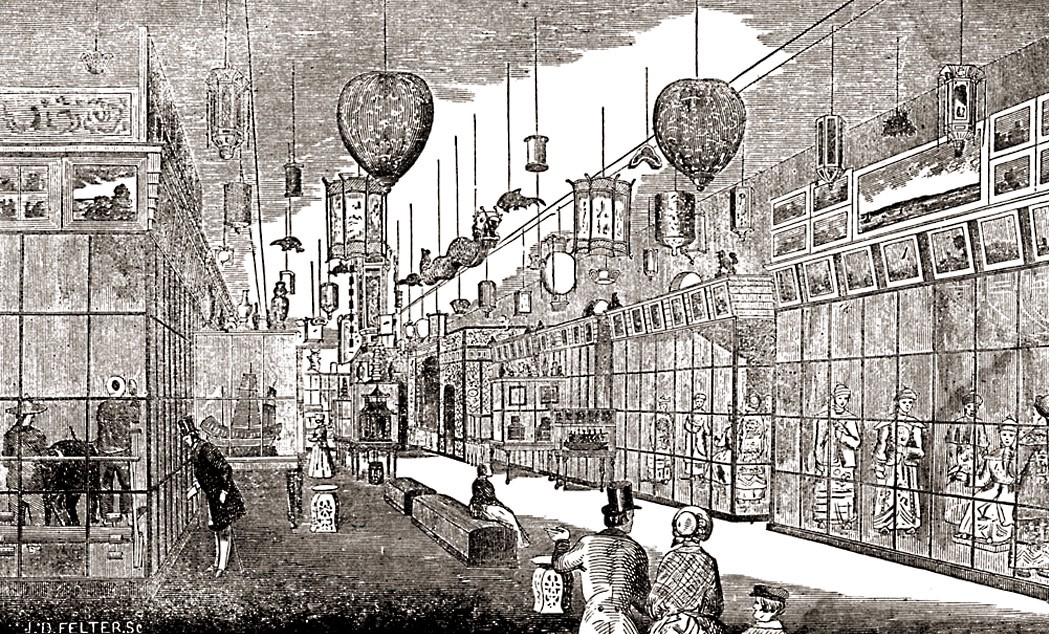
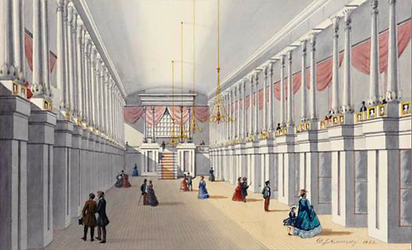
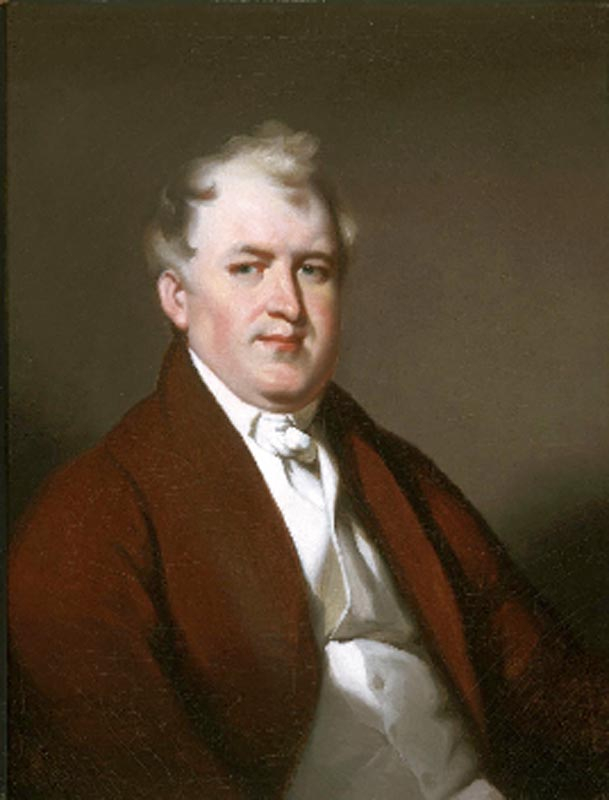
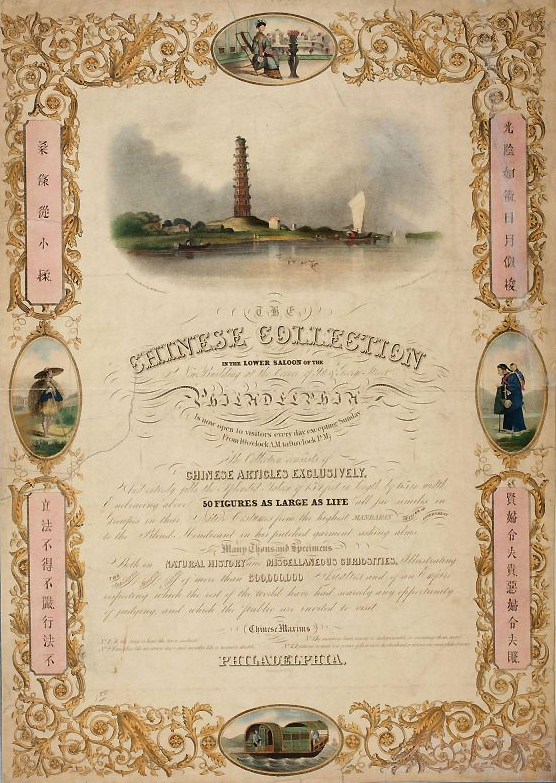
The intriguing Chinese Museum established in 1838 in Philadelphia by the American merchant Nathan Dunn (1782-1844) helped to broaden American and English awareness of Chinese material culture and can be connected to further expansion of interests on both sides of the Atlantic during the subsequent decades. While a successful merchant in Canton, he used his friendship with influential Chinese collaborators to build up a collection of Chinese art and handicrafts so complete that he proudly described it in 1839 as “China in miniature.”
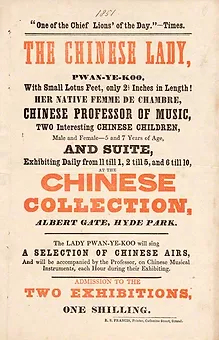
Dunn’s Chinese Museum, called “Ten Thousand Chinese Things” (Wan tangren wu 萬唐人物), drew crowds in Philadelphia from 1838-1842, an example of “Enlightenment science” seeking to understand and categorize China and Chinese culture in all of its complexities. Dunn moved his collection to London from 1842-1844 to capitalize on British public interest following British victory in the First Opium War, and perhaps, as a Quaker opposed to the opium trade, to present to the British public a more favorable view of Chinese society and culture.
The collection was later sold and exhibited in New York City from the late 1840s to 1850s. Some items from Dunn’s collection reportedly would reappear in the 1876 Philadelphia World’s Fair.