The Legacy of Modernism in Taiwan and Memory of Japanese Colonialism
Legacy of Modernism in Taiwan, 1935-1945
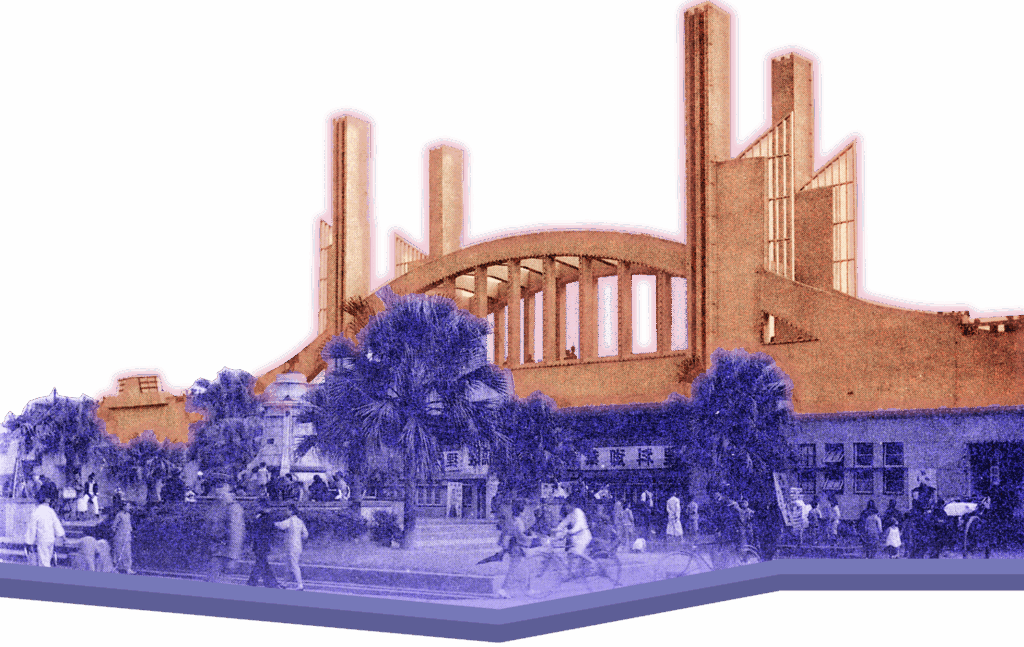
Architectural modernism in the 1935 Taiwan Exposition served two functions: to propagate the progress of modernization, and to present Taiwan as a modern and productive base for the empire’s further expansion. Paradoxically, it is the result of the very militaristic and expansionist ideology around modernism—war—that hindered its further development. There were still several significant modernist buildings constructed in Taiwan in the years following the fair, many taking cues from modernist architecture from the fair. However, the total war on China that started in 1937 significantly slowed the construction industry in Taiwan. However, with rising nationalism and the total war on China starting in 1937, most institutional architecture commissioned at this point were built in the so-called “Imperial Crown Style” (帝冠様式, Teikan yoshiki), architecture with neoclassical massing and Japanese roofs. The total war also significantly slowed the construction industry in Taiwan.
Read More
Modernism in architecture is not simply a ‘style’ but an institution that can be exclusive. The most state-of-the-art modernist buildings during this period were commissioned by either the colonial government, corporations, or wealthy patrons, and designed by academically-trained Japanese architects. Unlike in fine arts where a significant number of Taiwanese artists made a name for themselves, there were no academically-trained Taiwanese architects during the colonial period. Apart from local craftsmen who followed the traditional master-pupil structure, what formal architectural education allowed to the Taiwanese was focused on technical engineering.
This disparity in access led to a rupture in architectural production in 1945, when Japan lost the war and ‘retroceded’ Taiwan to the Republic of China. Taiwan saw all academically-trained architects working on the island evacuated back to Japan overnight. The modernist project that had started with the Japanese had to be reinvented by the Chinese Nationalists who took over Taiwan, with their own ideology and corps of American-trained architects.
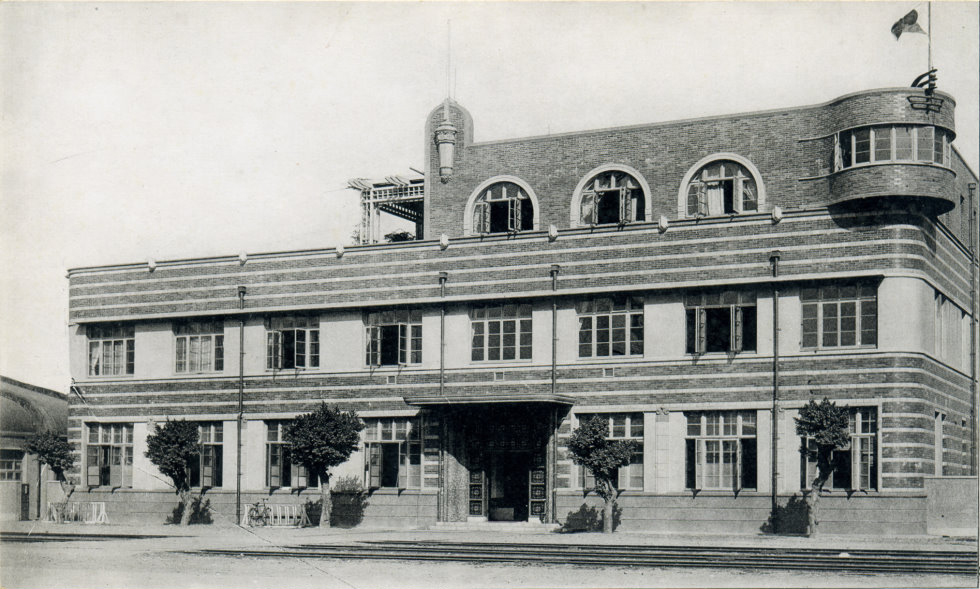
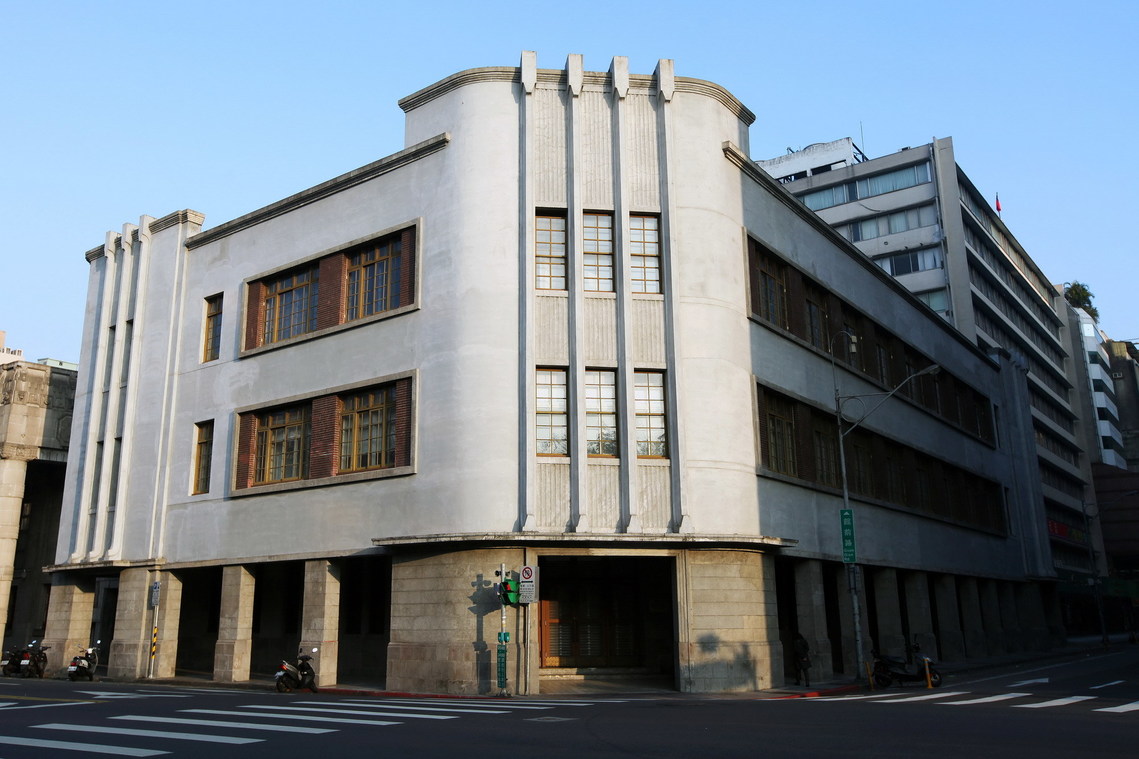
Ide Kaoru 井手薫, Takao (Kaohsiung) Customs House 高雄稅關, 1936. (Source: 薰風)
Reinvention of Modernism in Taiwan, Post-1945
As the Japanese left Taiwan in 1945, Taiwan experienced a vacuum in architectural production. Few trained architects remained. However, as the Chinese Nationalist government retreated to Taiwan in 1949, Taiwan saw an influx of U.S.-trained Chinese architects and American money. With new architects and new funding, Taiwan saw a reinvention of modernism.
Read More
Although some of the most famous and monumental constructions in postwar Taiwan as those built in the Chinese northern palatial styles — thought to exemplify Chinese orthodoxy by the authoritarian Nationalist government — the postwar urban landscape is dominated by modernist, reinforced concrete buildings. One of the key factors is the so-called U.S. Aid, billions of U.S. dollars in economic and military assistance to help bolster Taiwan as “Free China” against the communists. One of the effects of U.S. aid was the exchange of architectural professors from Purdue University to Taiwan Provincial College of Engineering 台灣省立工學院 in Tainan (now the National Cheng Kung University 國立成功大學), the center of architectural education in early postwar Taiwan. Many new buildings in the college itself were built in high modernism. The injection of U.S. money and architectural knowledge led to a boom in modernist constructions across the island.

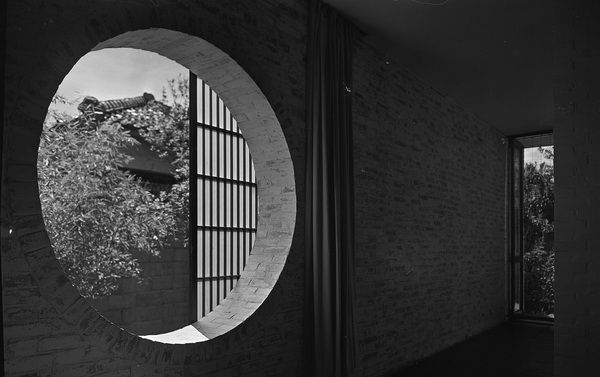
01. “Moon window” in Wang’s own bedroom, Wang Da-hong Residence 王大閎自宅, 1953. (Source: TA 臺灣建築)
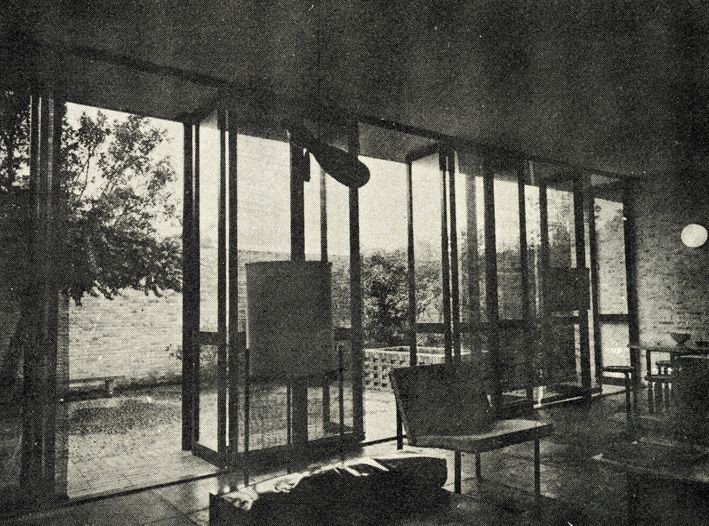
02. Open plan and Miesian windows opening up to an enclosed garden, Wang Da-hong Residence, 1953. (Source: Xinmedia)
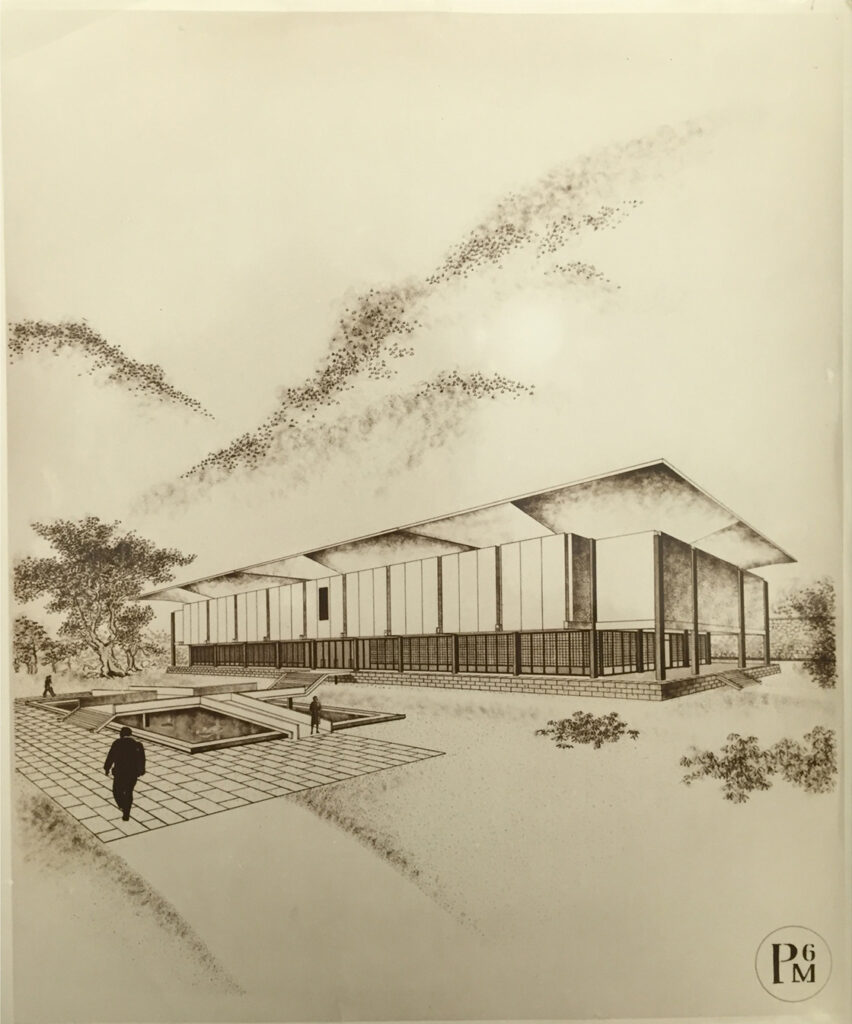
03. Wang Da-hong, Competition Submission for National Palace Museum 故宮博物院, c. 1961. (Source: M+)
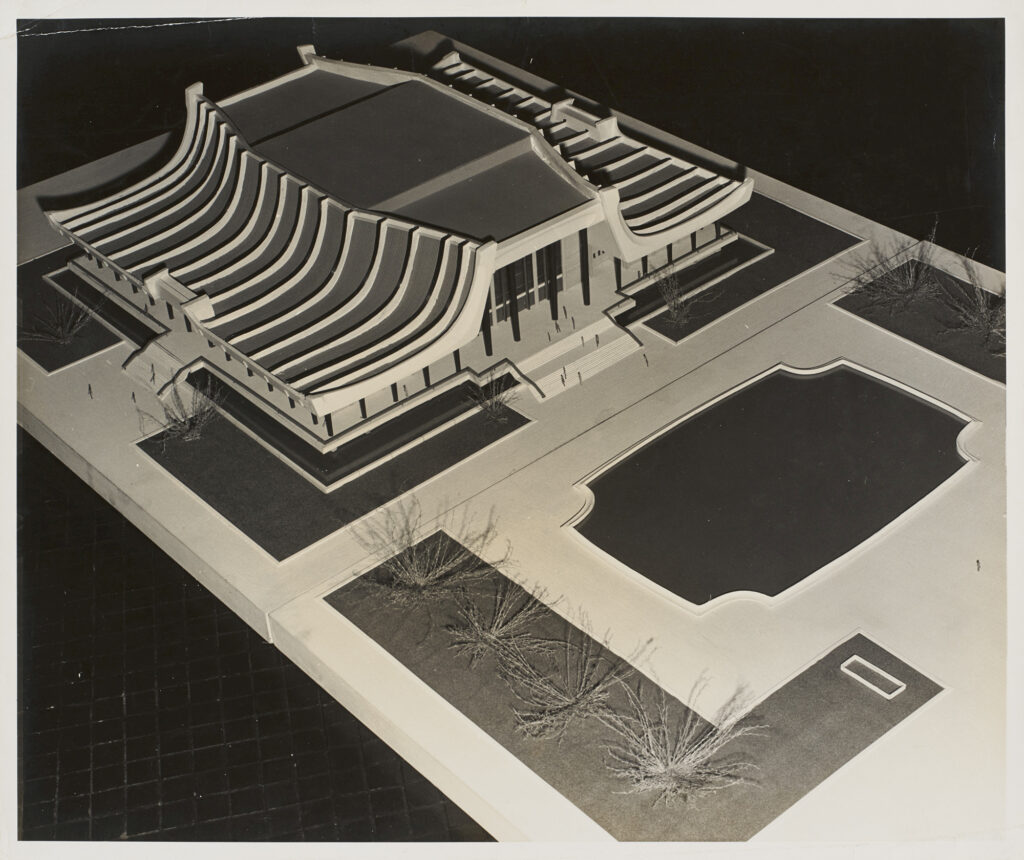
04. Wang Da-hong, original design model for Sun Yat-sen Memorial Hall 國父紀念館, evoking a classical Chinese official’s hat, c.1965. (Source: M+)
Wang Da – Hong’s “Vernacular Modernism”
Some postwar architects were wary of the rapid replacement of the vernacular landscape with modernist constructions. One of them was Wang Da-hong 王大閎, a leading first-generation postwar architect. Born in Beijing, Wang received his training at the Harvard Graduate School of Design under Walter Gropius, the famed modernist architect and founder of the Bauhaus. Wang relocated to Taiwan in 1952 and established his own practice. His work is marked by a negotiation between Chinese tradition and modernist principles he had acquired in the U.S.
Read More
His self-designed residence in Taipei became a pilgrimage site for architecture students. This house incorporated the open plan and steel-and-glass doors of Mies van der Rohe and Chinese elements such as brick walls and a “moon window.” His competition entry for Taipei’s National Palace Museum transforms Chinese post-and-beam construction to steel frame, and inverts the Chinese roof into a series of thin-shelled concrete paraboloids.
Transformation of the Fairgrounds After The Fair
All three fairgrounds in Taipei — New Park, the Ximen area, and Dadaocheng — underwent tremendous changes after the exposition ended, especially after the war. Apart from a few permanent buildings like the Governor-General Museum, most buildings in the exposition were meant as ephemeral structures and were demolished after the fair. After the war, all three of the fairgrounds continued to perform as important urban spaces in Taipei, displaying competing narratives of identity and nationhood.
Ximen
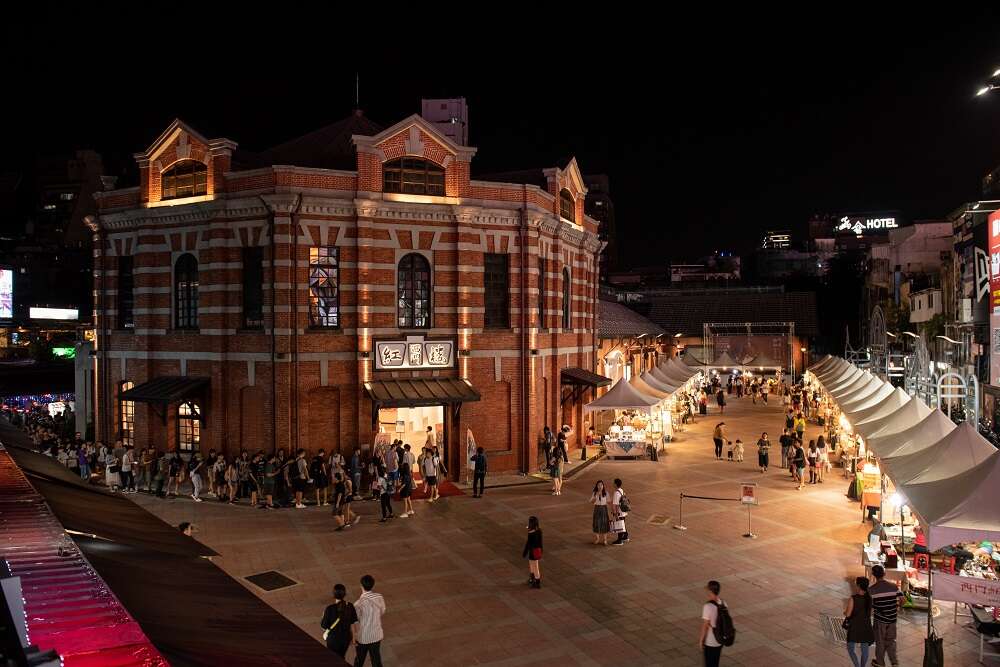
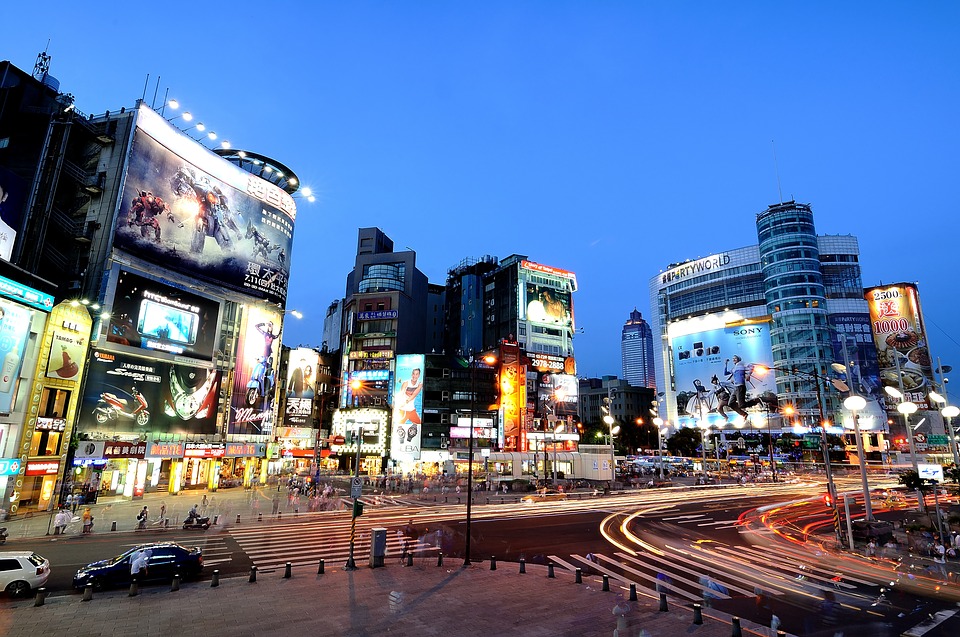
Ximen
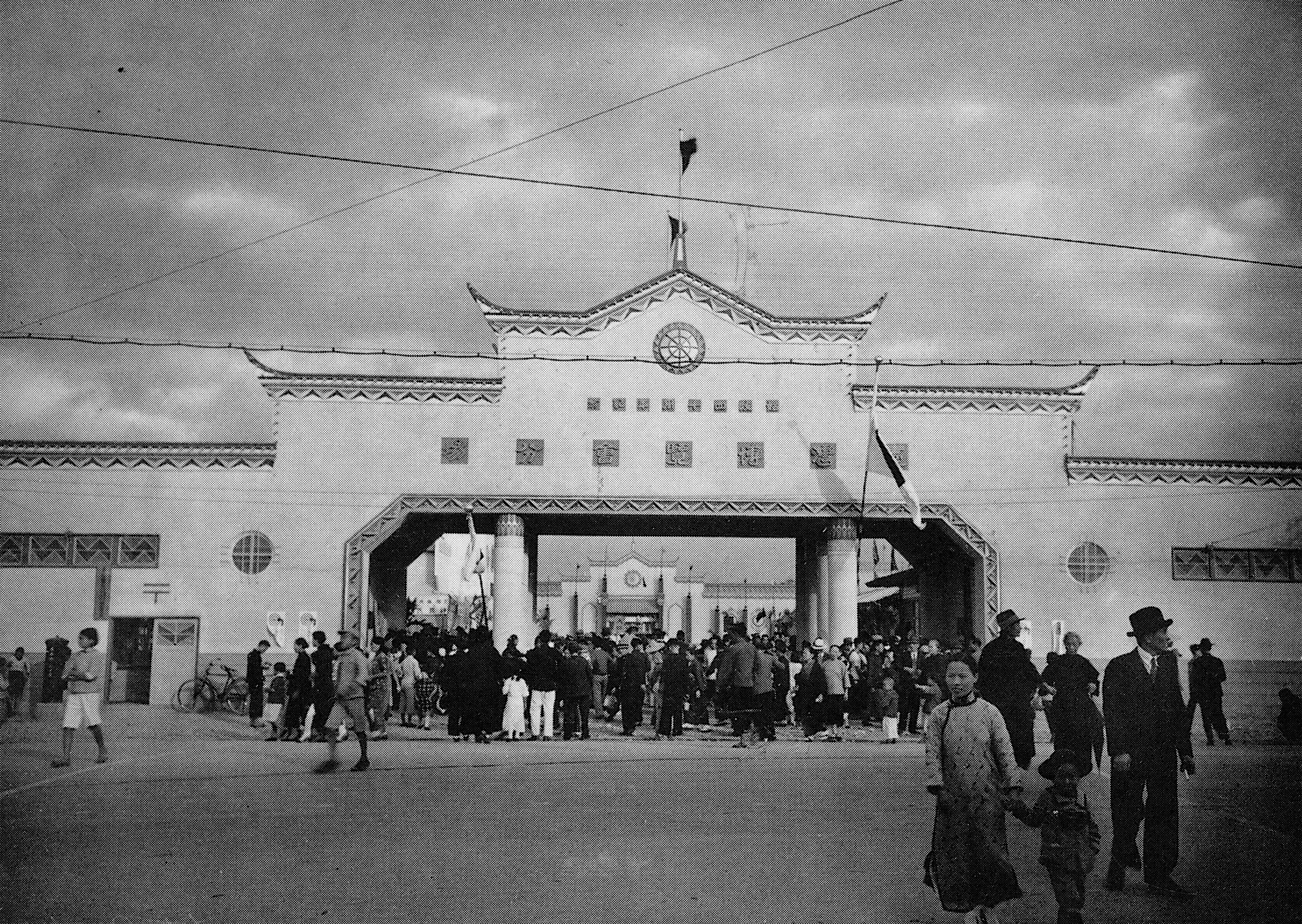
The Ximen area, which hosted the first fairground, had already become a bustling commercial neighborhood by the time of the fair. After the demolition of the namesake Qing-era West Gate, the traffic circle and wide boulevards that were created allowed this area to become the entertainment center of the colonial city, including cinemas and modern shops. Ximen’s status as an entertainment district continued after the war. Architecturally, the vista afforded by the traffic circle and boulevards provided a great setting for the 1935 fair and commercial displays alike. During the fair, this new vista allowed for monumental structures like the grand pedestrian overpass, while postwar Ximen is saturated with billboards and, later, electronic screens. Today’s Ximen is shared by people of all sorts of identities: students, tourists, gays, gangs, and sex workers. The vibrancy and licentiousness of Ximen has earned it the reputation of Taipei’s Harajuku or Times Square.
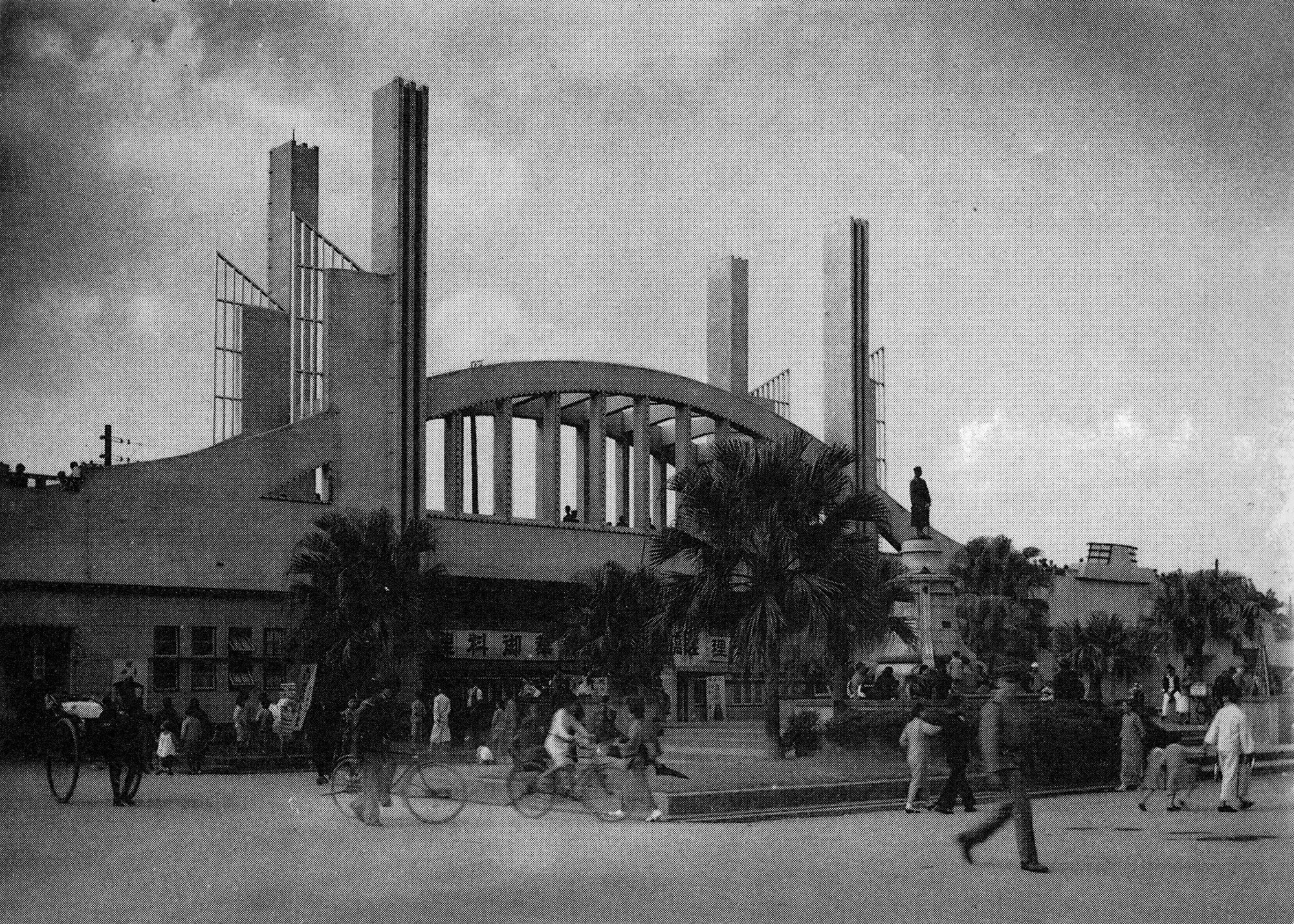 Iron pedestrian bridge at the First Fairground during the fair.
(Source: Shisei Shijisshūnen Kinen Taiwan Hakurankai shashinchō 始政四十周年記念台湾博覧会写真帖 [1935] (Tokyo: Kokusho Kankōkai, 2012.))
New Park
New Park
(228 Memorial Park)
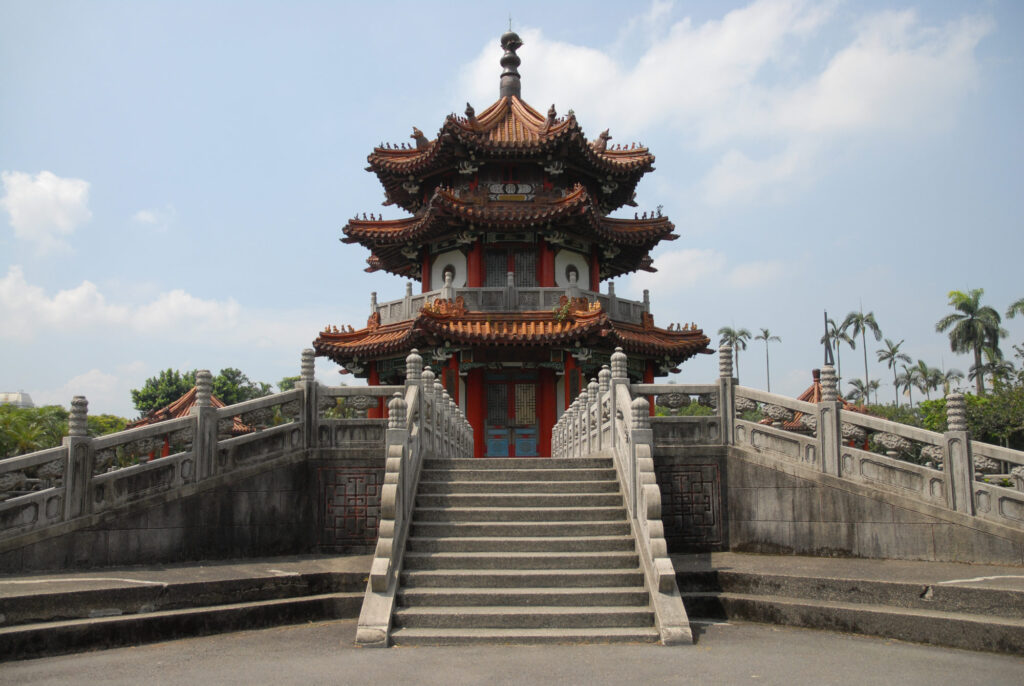
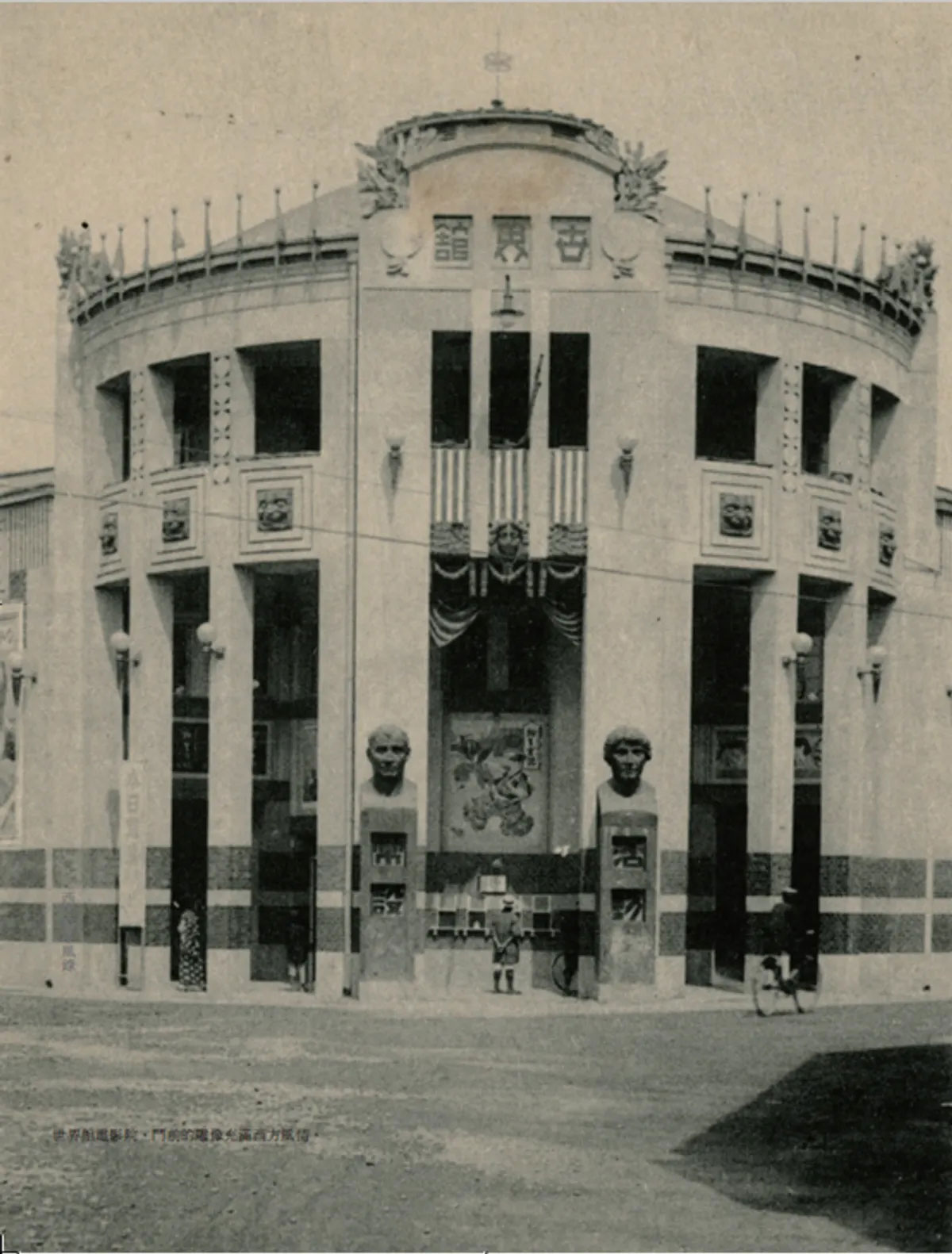
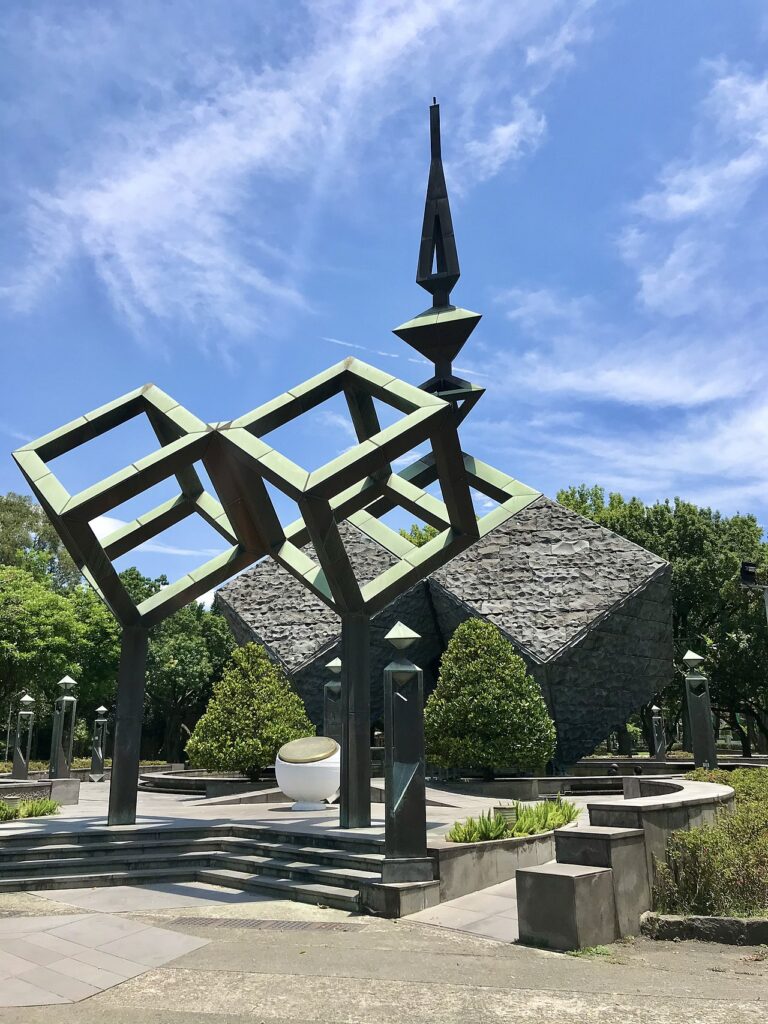
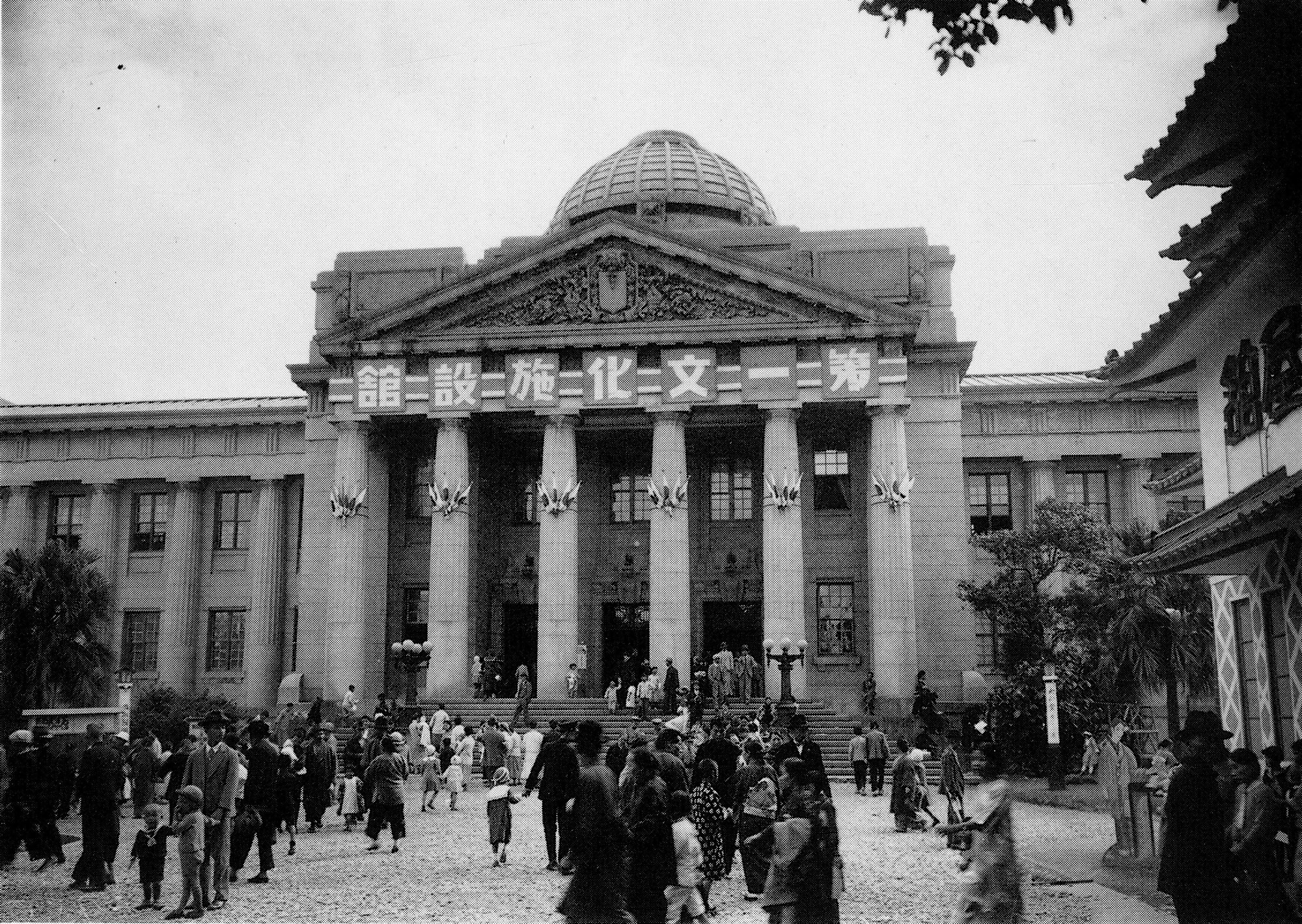
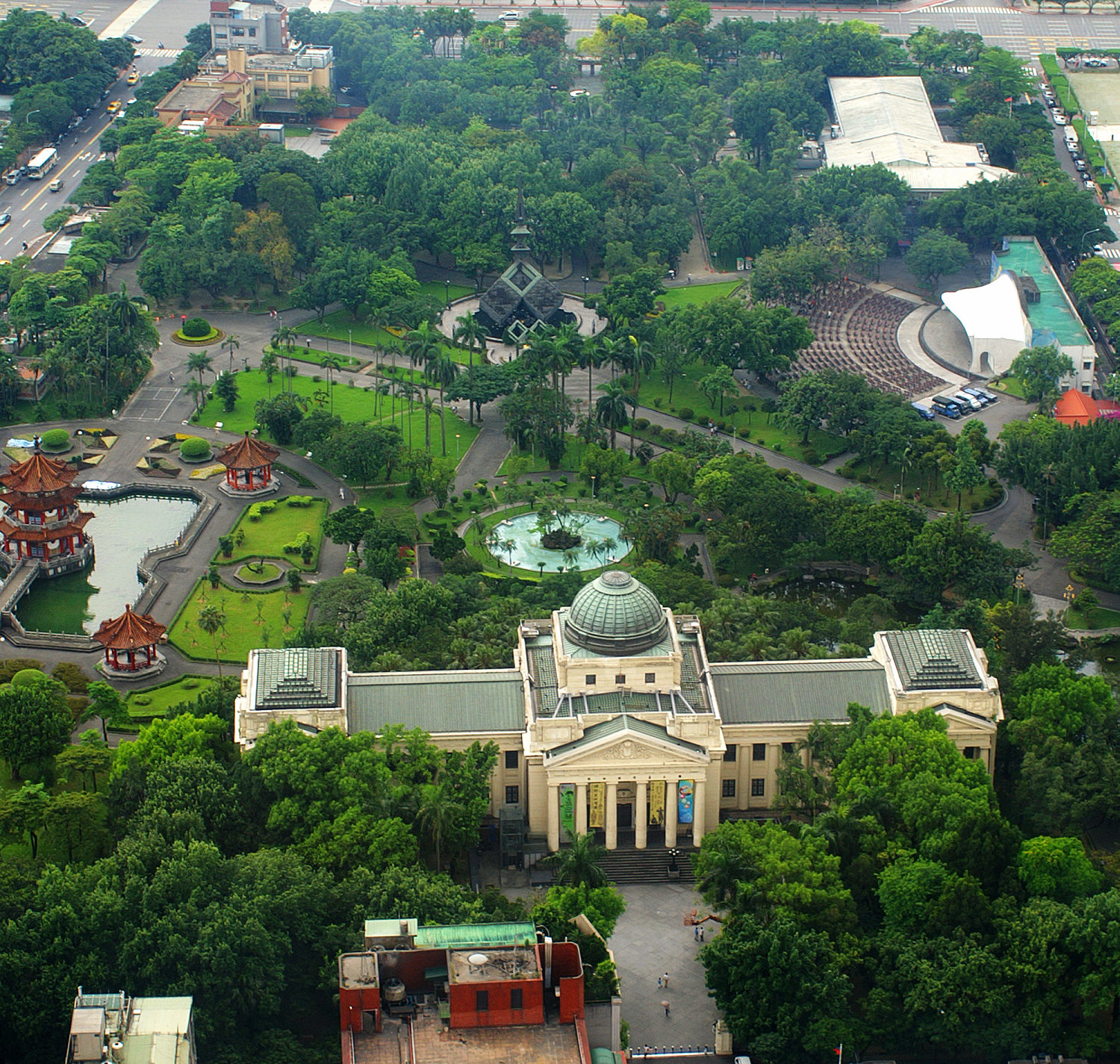
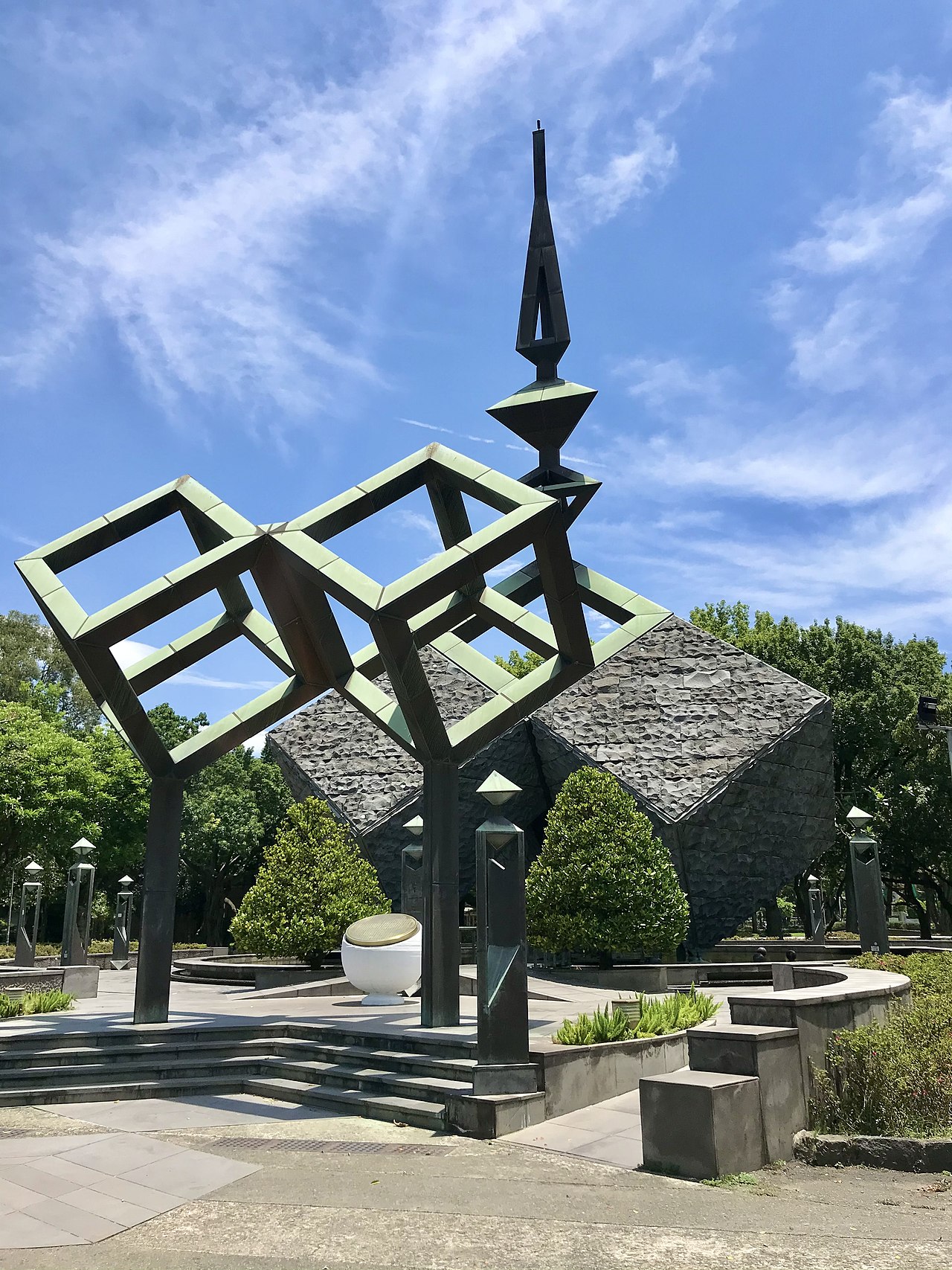
New Park, home to the second fairground and the Governor-General Museum, has become the quintessential “urban palimpsest,” displaying layers of historical memories. After the fair, only the permanent Governor-General Museum remained standing. Now, scattered throughout the park are Northern Chinese-style pavilions built after 1949. After the end of Nationalist authoritarian rule, the park was redesignated as 228 Memorial Park in 1996, with a new namesake monument to commemorate the victims of the Chinese Nationalist massacre during the February 28 Incident and its aftermath in 1947. This park witnessed the changing regimes in modern Taiwan, displaying layered histories with its material presence.

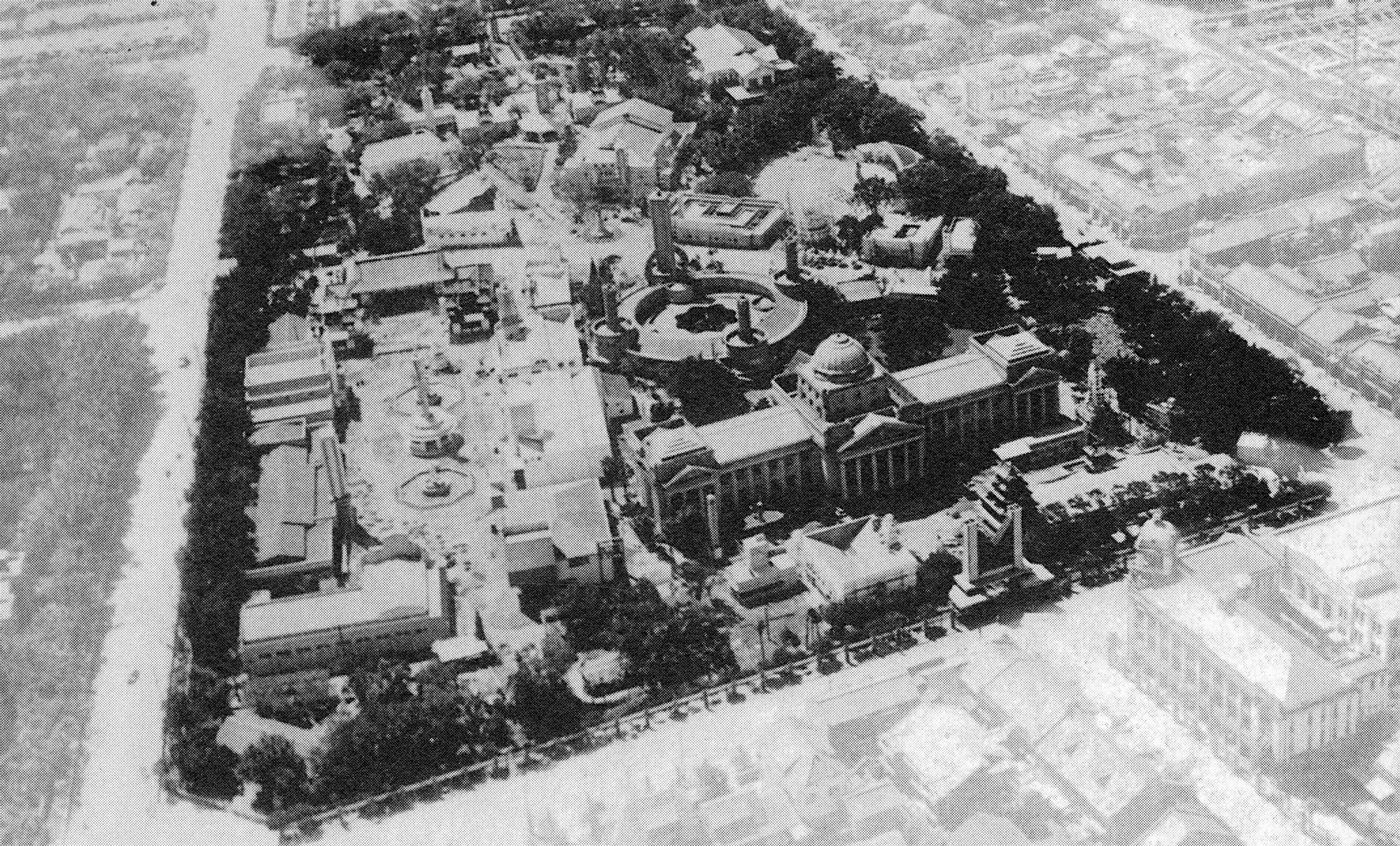 Aerial photograph of the Second Fairground in New Park.
(Source: Shisei Shijisshūnen Kinen Taiwan Hakurankai shashinchō 始政四十周年記念台湾博覧会写真帖 [1935] (Tokyo: Kokusho Kankōkai, 2012.))
Dadaocheng
Dadaocheng
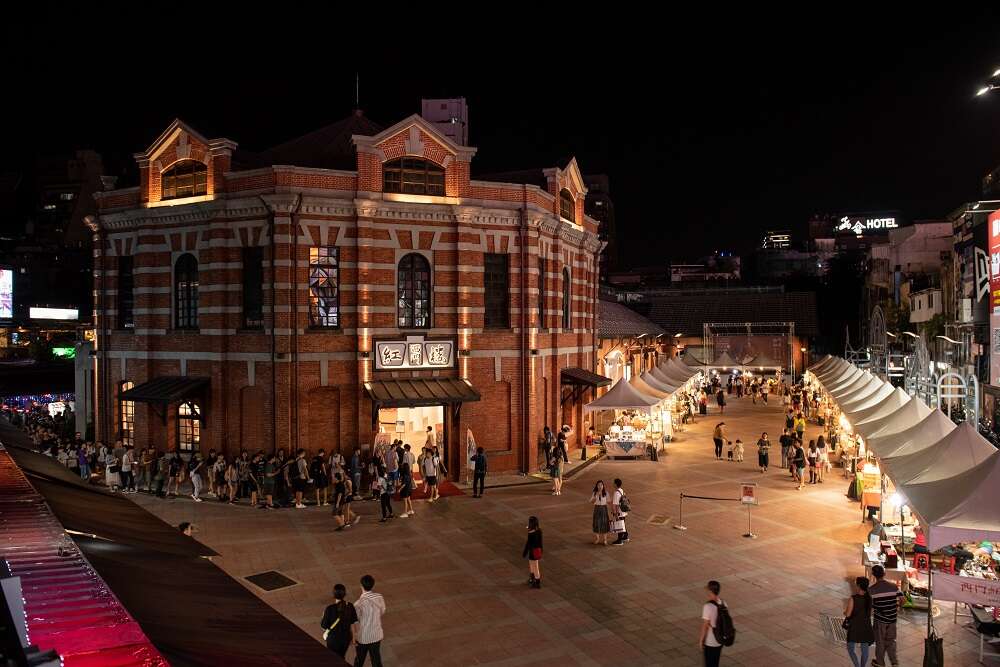
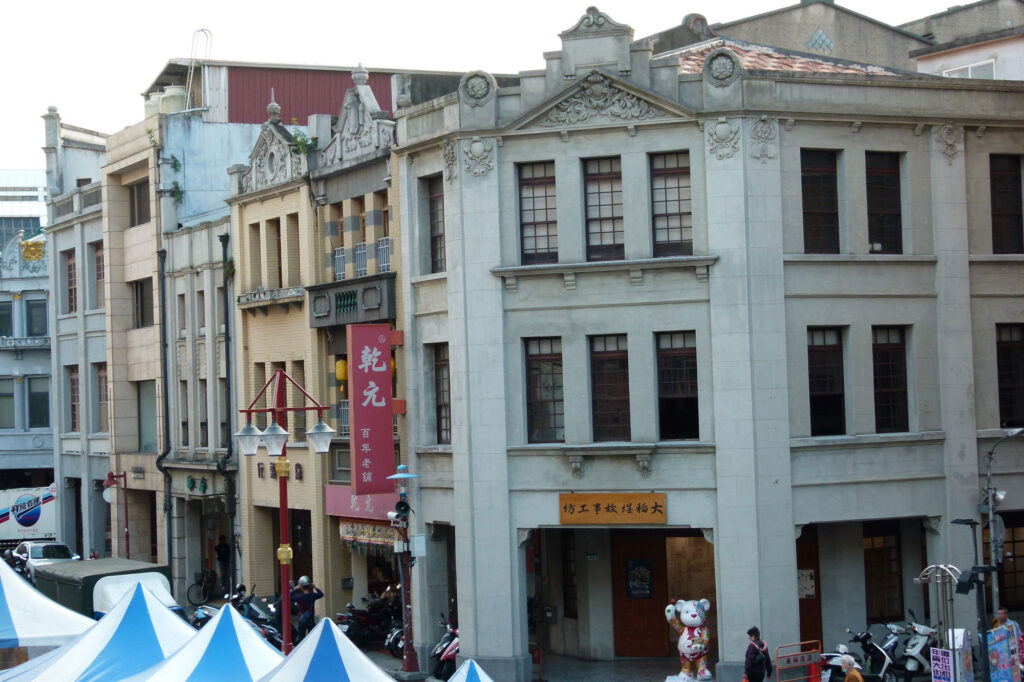
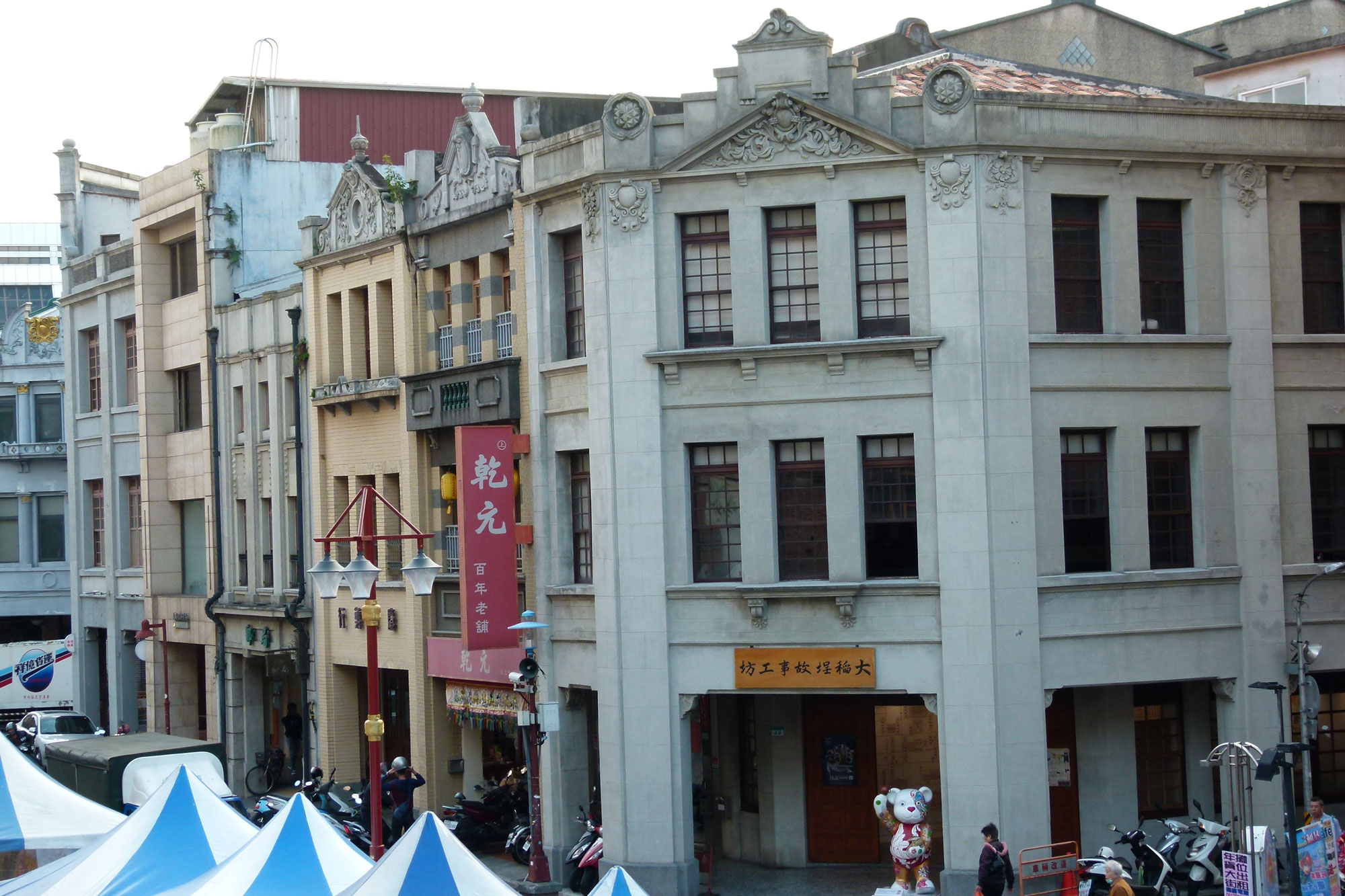
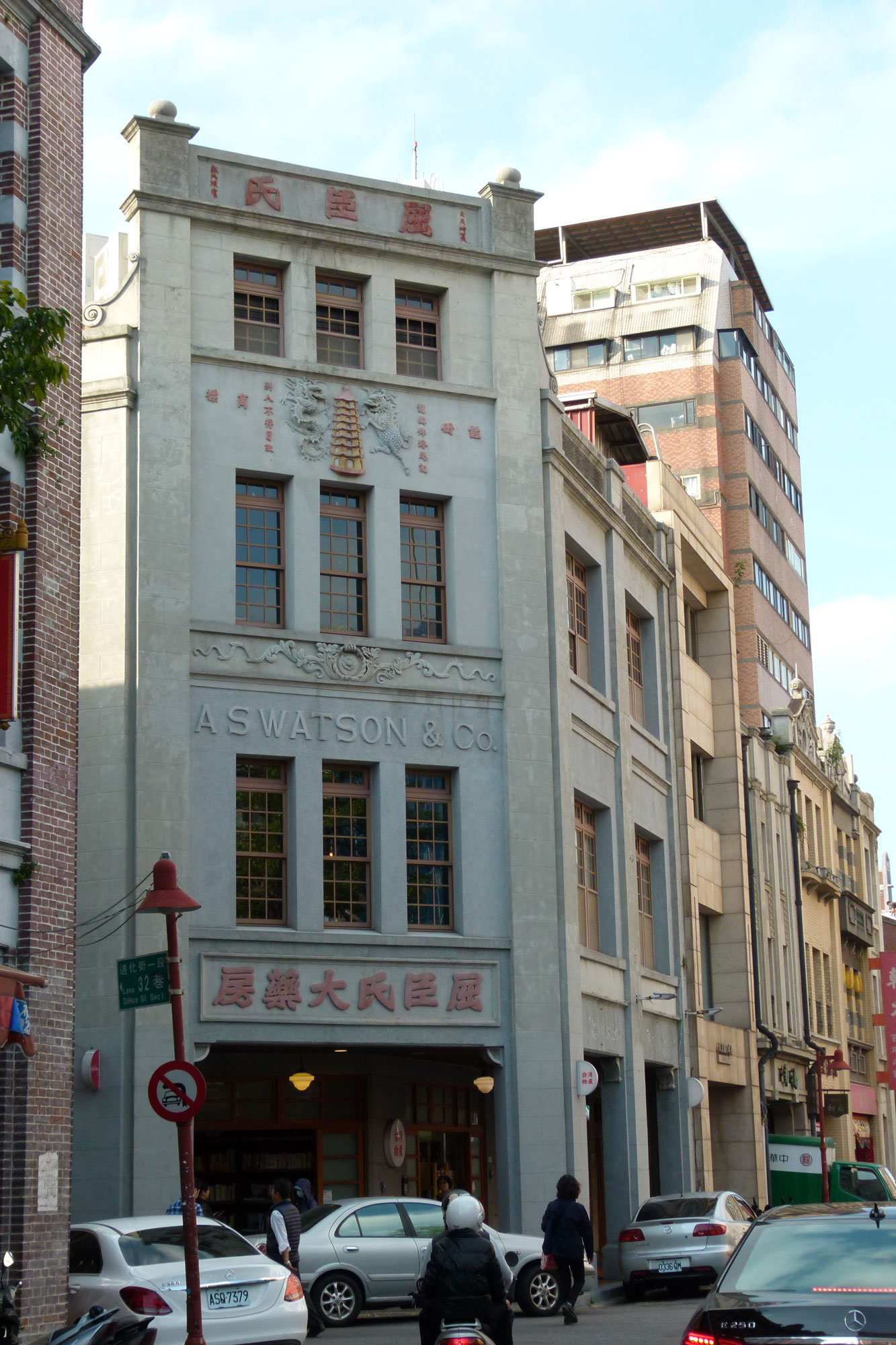
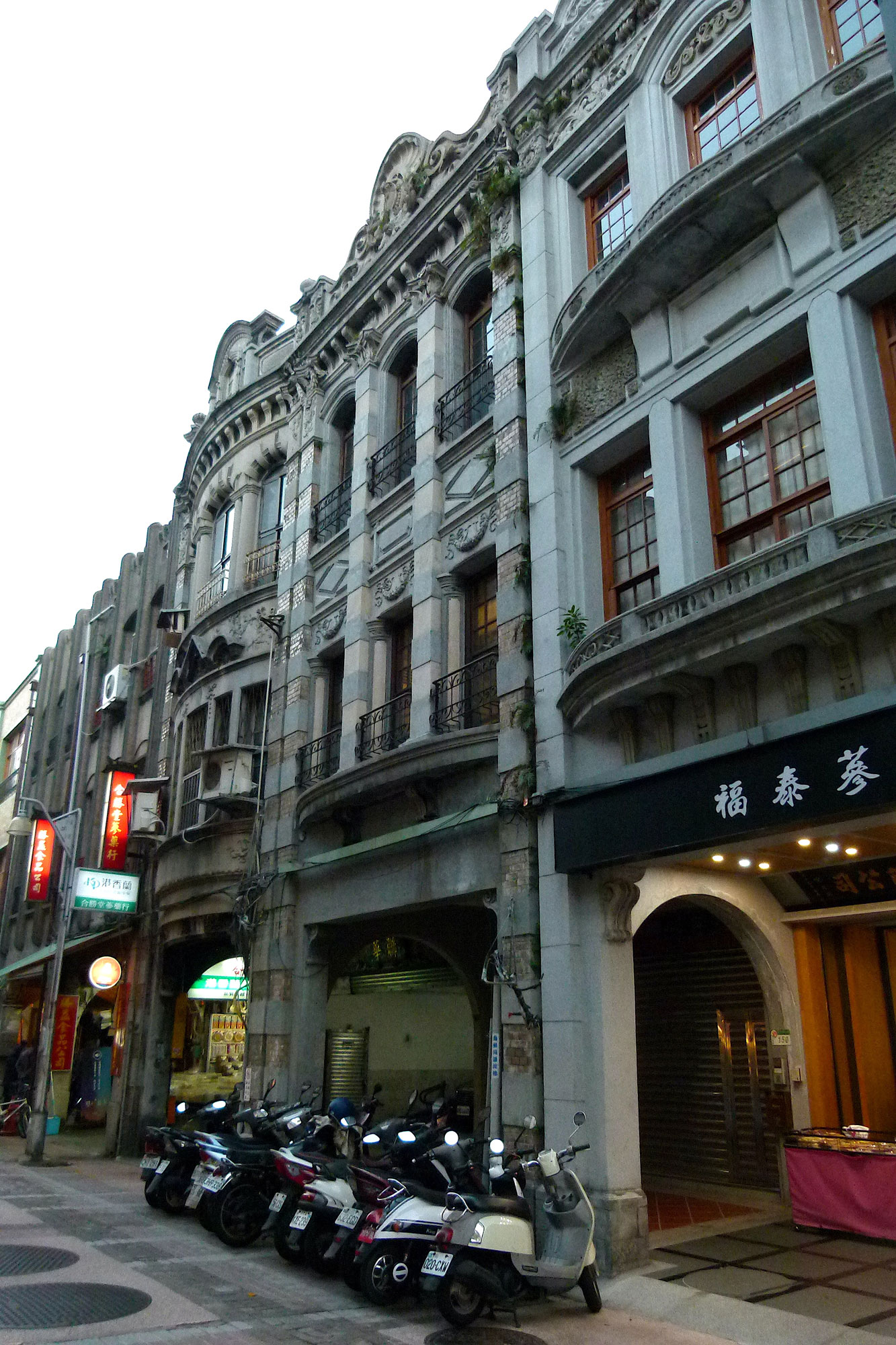
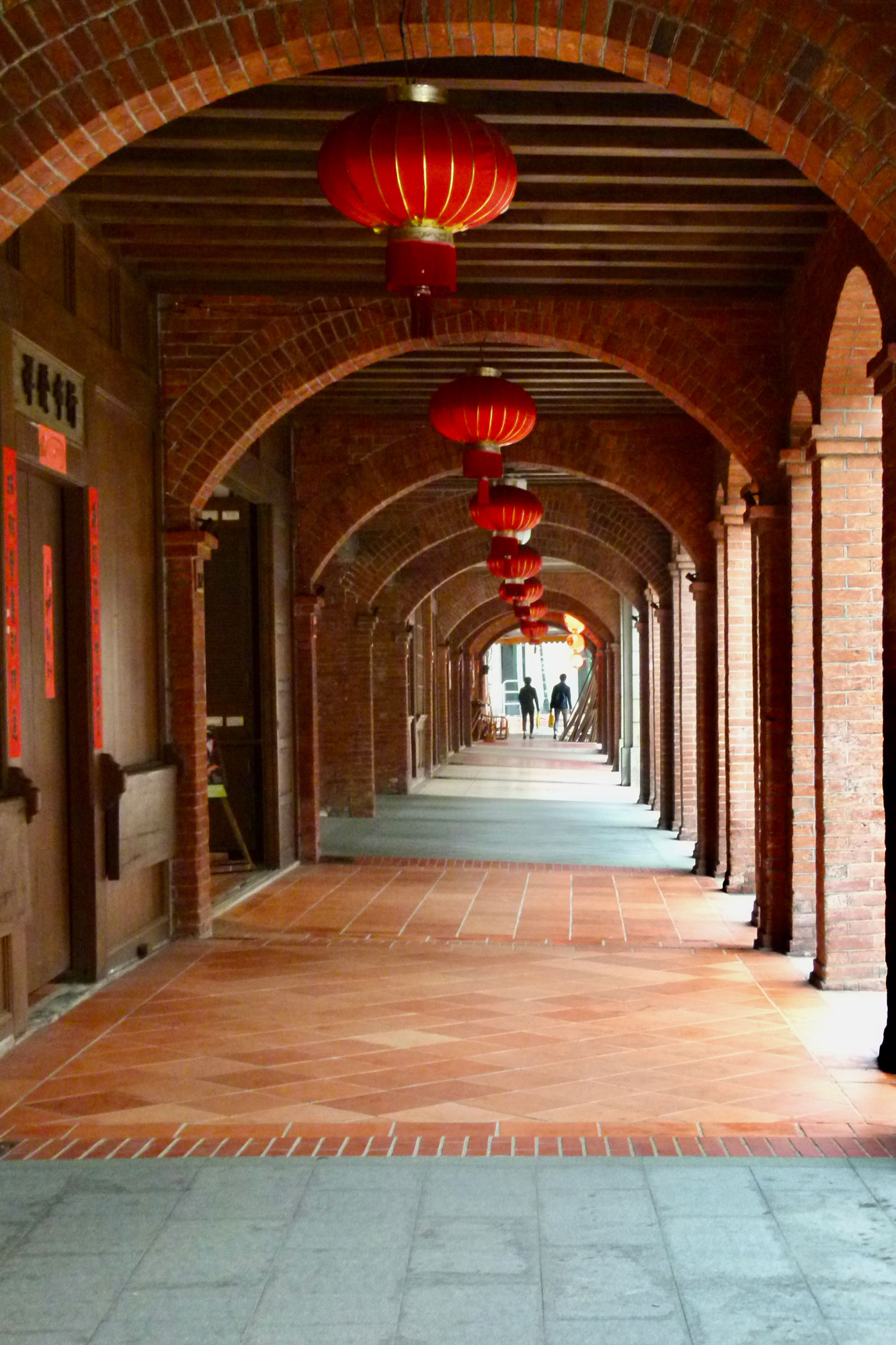
Designated as the setting for the Southern Pavilions during the fair, the Dadaocheng neighborhood continued its role as the center for traditional foodstuff, dried goods, and herbal medicines until this day. Although the ephemeral exposition structures were likewise demolished, the cityscape that provided the setting remains. Dadaocheng has been a focal point for the preservation movement, which began in the 1970s and reached a high point in recent years, viewed as preserving not only Han traditions but also the eclectic architecture of the 1910s and 1920s.
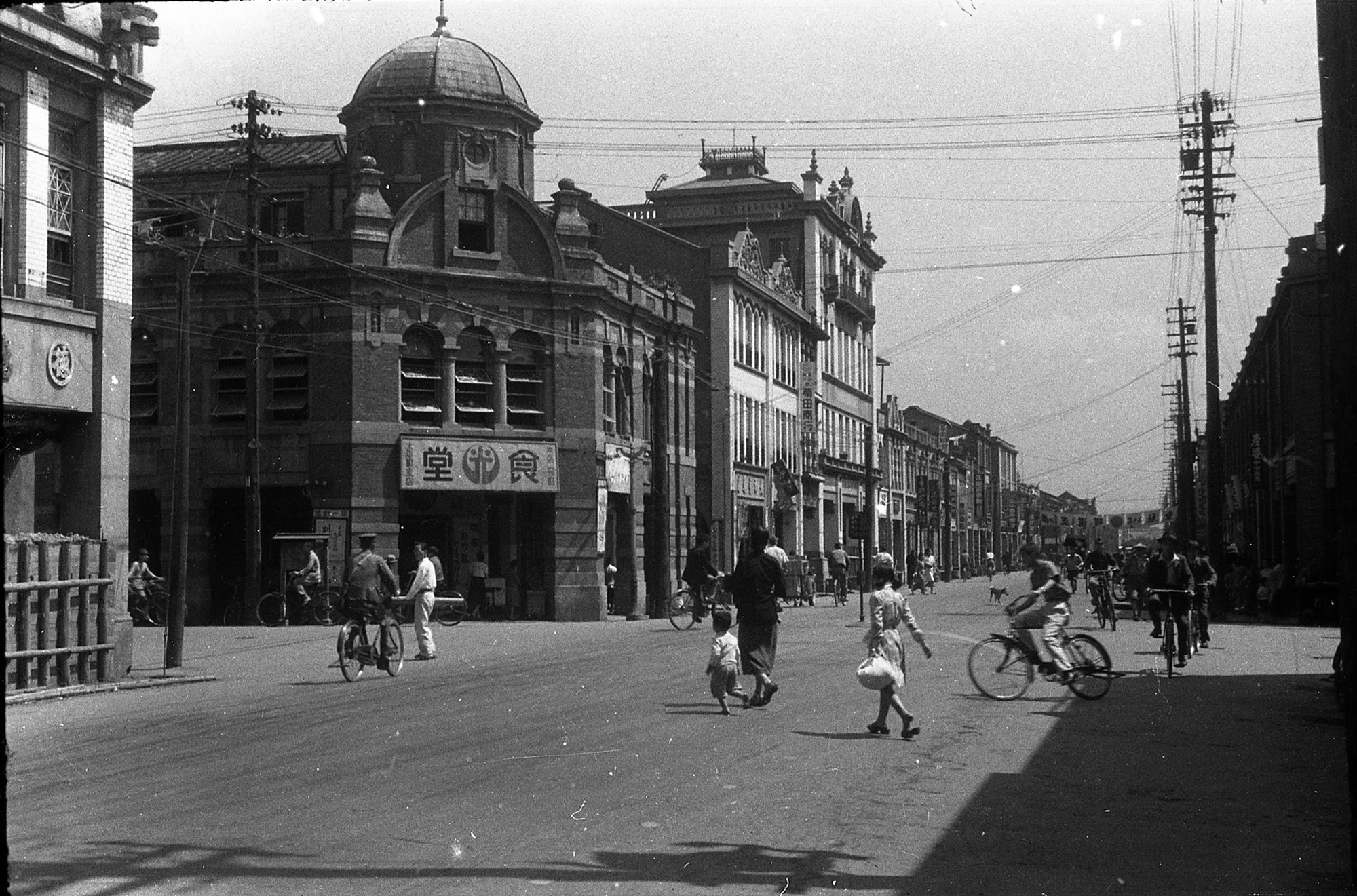 Taiheichō St. 太平町通, Dadaocheng with a “modern” streetscape with a domed building (Hikaru Restaurant 光食堂) and a four-storied building (Chotoryu Shoko Store 張東隆商行). Photograph by Li Huo-Zheng 李火增, a Taiwanese photographer during the colonial era. (Source: Wikicommons)
Memory of Japanese Colonialism
Recent years have seen a movement to recover all things Japanese colonial, including a robust architectural preservation movement. Decades of Chinese Nationalist authoritarianism provided the backdrop for this latest craze. Part of the bentuhua 本土化 or “localization” movement, which seeks to dismantle the Chinese cultural orthodoxy of the postwar years, architectural preservationists seek to recover and preserve Taiwan’s diverse and multicultural histories including that of Japanese colonialism.
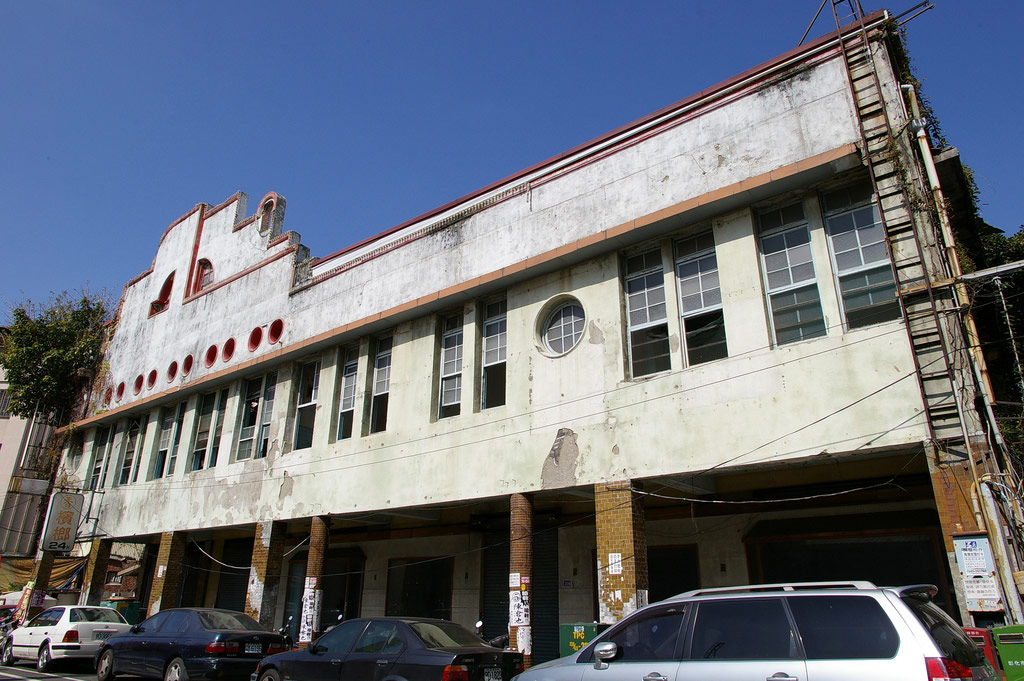
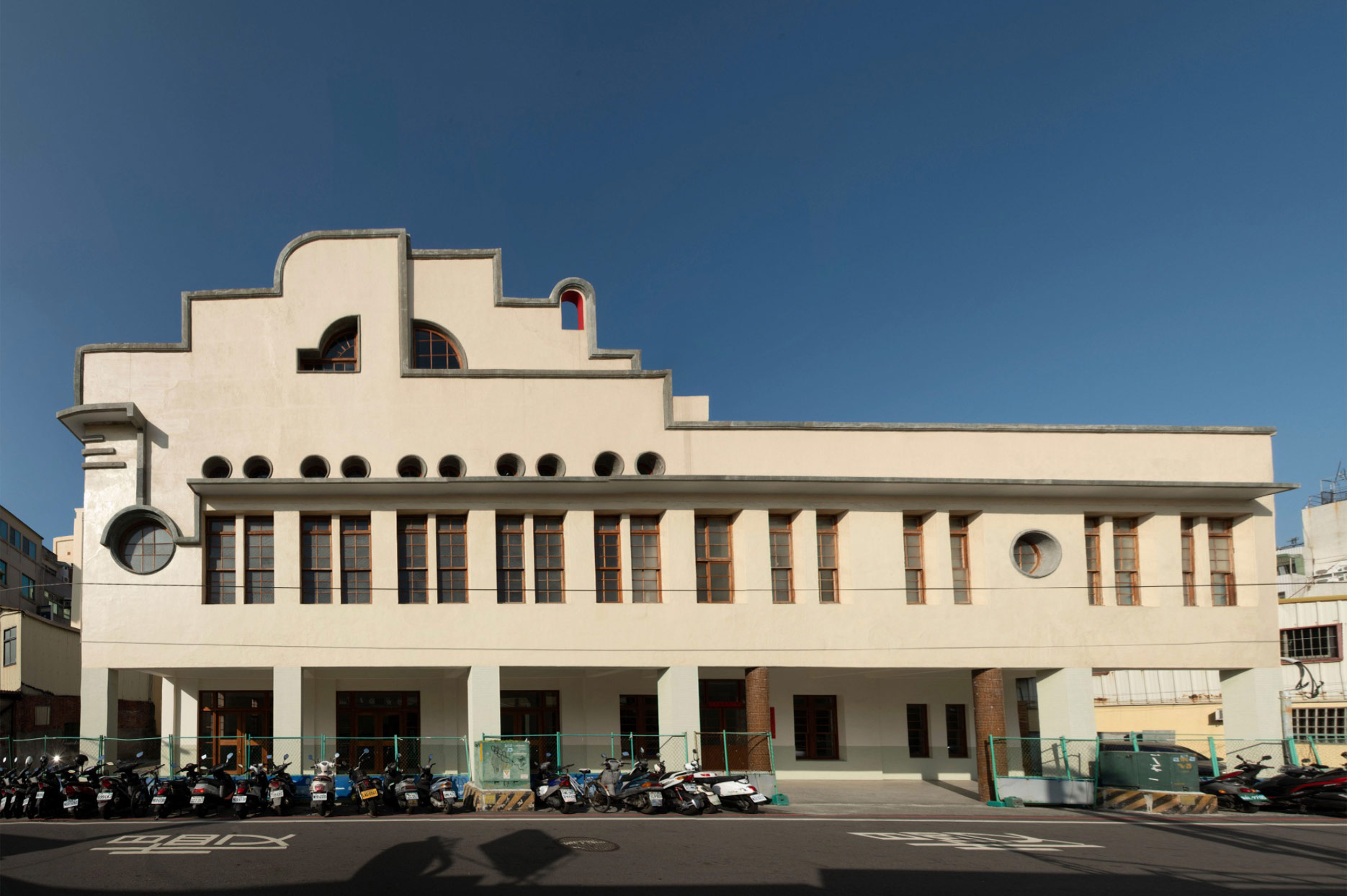
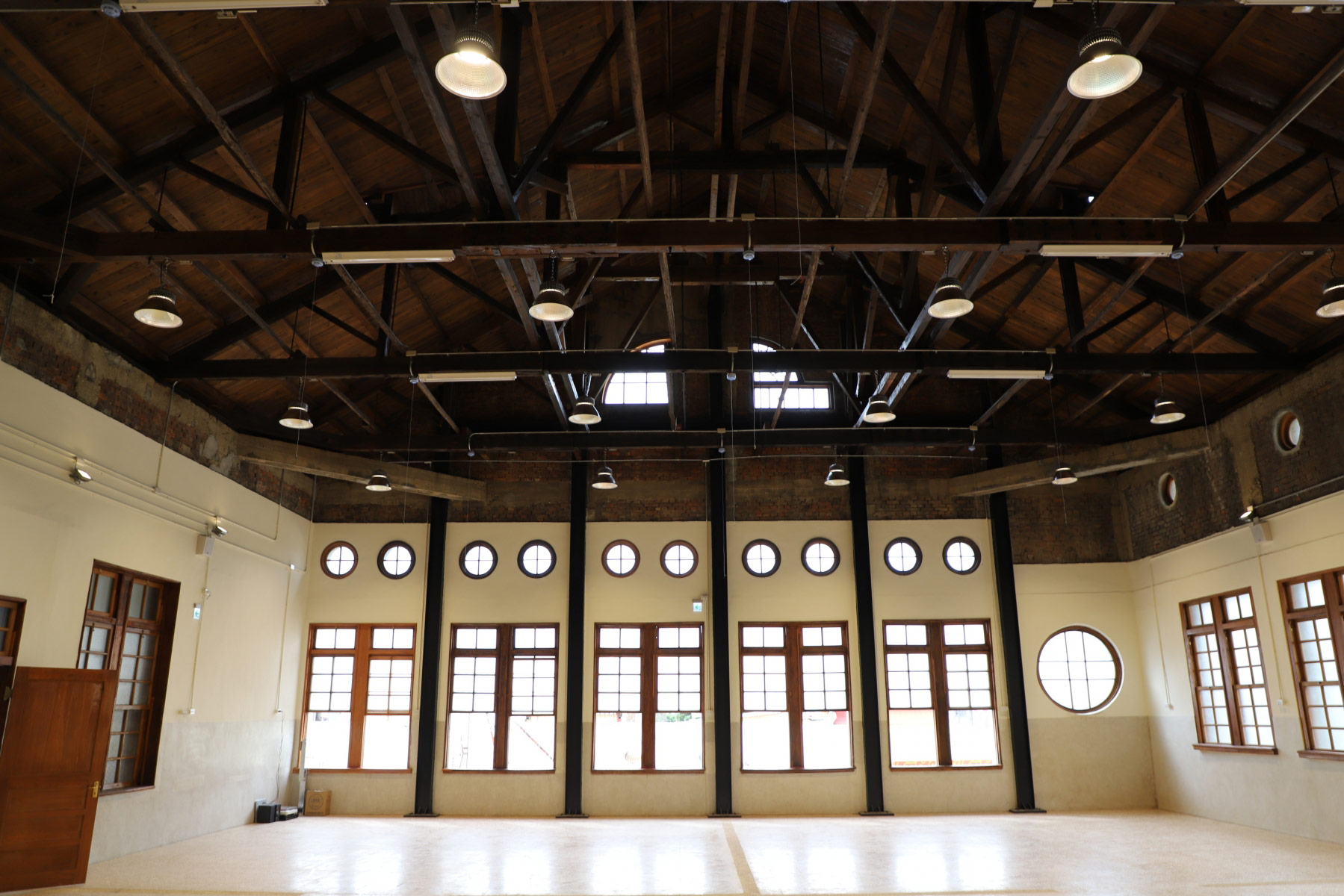
In the central city of Changhua, a recent preservation project seeks to preserve the modernist architecture influenced by the 1935 fair. This is the Gaobinge 高賓閣, built in 1938 as a high-end restaurant. Its design looked to the fashionable modern styles popularized by the 1935 fair, with a facade resembling a forward-sailing ocean liner with large panes of windows afforded by reinforced concrete. It was adapted into Changhua Railway Hospital after the war, but has been sitting empty for decades until recently. It was landmarked in 2011, and was reopened as an exhibition space and an elderly care center in 2020.
The story of Gaobinge/Changhua Railway Hospital is among dozens if not hundreds of similar efforts to preserve Japanese colonial heritage sites currently underway in Taiwan. As the 1935 exposition left few permanent buildings behind, recent work on material histories is focused on recovering ephemera such as souvenir stamps, or preserving/restoring buildings influenced by the fair such as this one.